
Alarm, fuel, and the bill
The body keeps the same books as the mind.

7.1 What is stress?
Stress is the body and mind's response to any demand or threat, real or perceived. The demand or threat is called a stressor. Stressors can be external (exams, conflicts, financial problems, illness) or internal (self-criticism, perfectionism, unresolved trauma, worry).
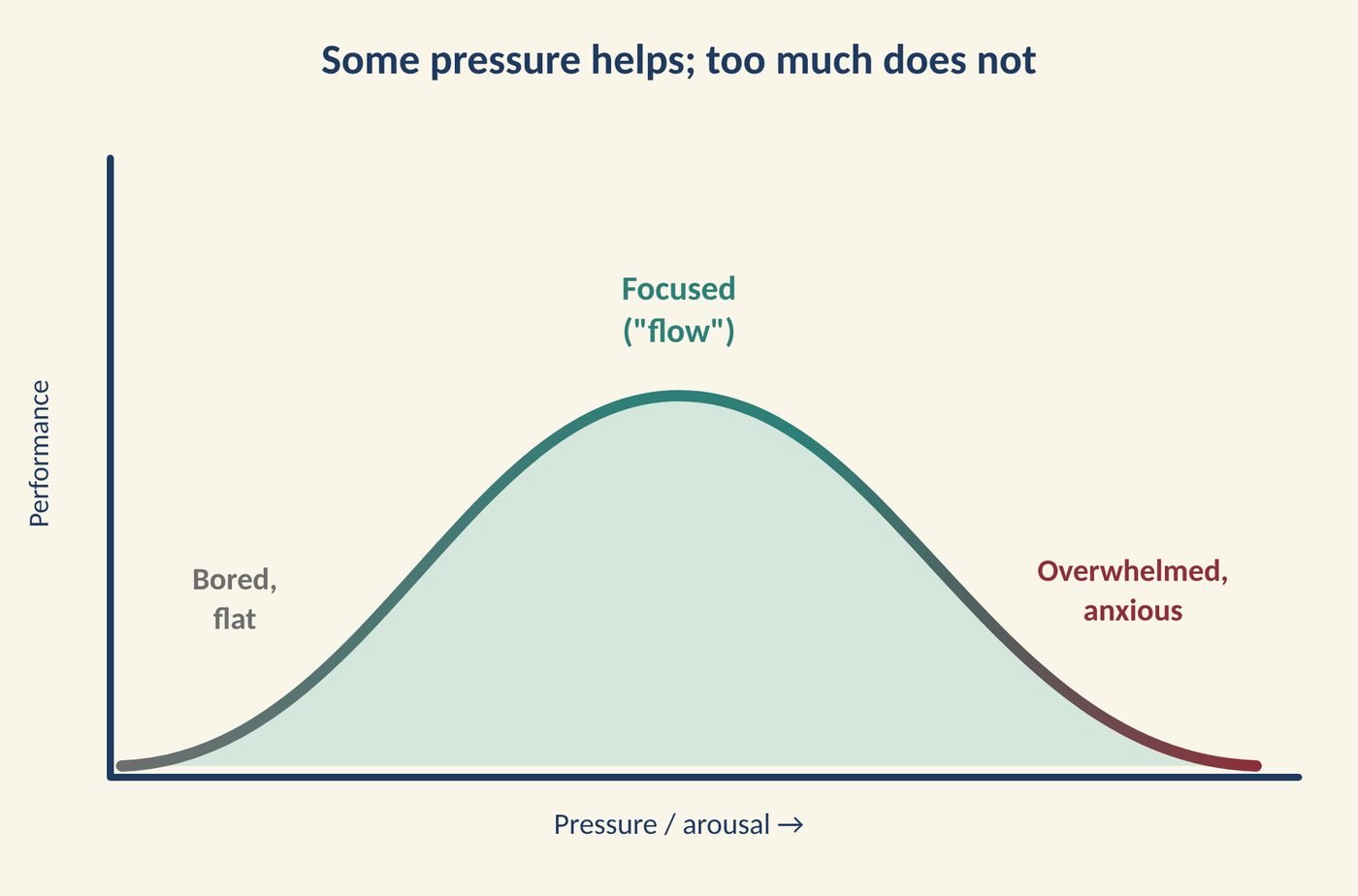
Figure 7.1 Some pressure helps performance; too much harms it.
Stress is not always bad. Short-term stress can help us perform (for example, in sports, exams, or emergencies). Problems arise when stress is too intense, too frequent, or too prolonged without adequate rest and recovery.
7.2 The stress response: fight, flight, freeze
When the brain perceives danger or high demand:
- The hypothalamus activates the sympathetic nervous system.
- The adrenal glands release adrenaline and noradrenaline.
- Heart rate and breathing increase.
- Blood pressure rises.
- Blood sugar increases for energy.
- Muscles tense.
- Senses become sharper.
- Digestion and non-urgent functions slow down.
This is the fight-or-flight response. In some situations, especially when escape seems impossible, the body may respond with a freeze or shutdown state (numbness, dissociation, feeling "stuck").
This system evolved to protect us from physical dangers (for example, wild animals). In modern life, it often activates for psychological stressors (emails, deadlines, arguments), which cannot be solved by fighting or running.
7.3 The HPA axis and cortisol
For longer-lasting stress, the brain uses the hypothalamus–pituitary–adrenal (HPA) axis:
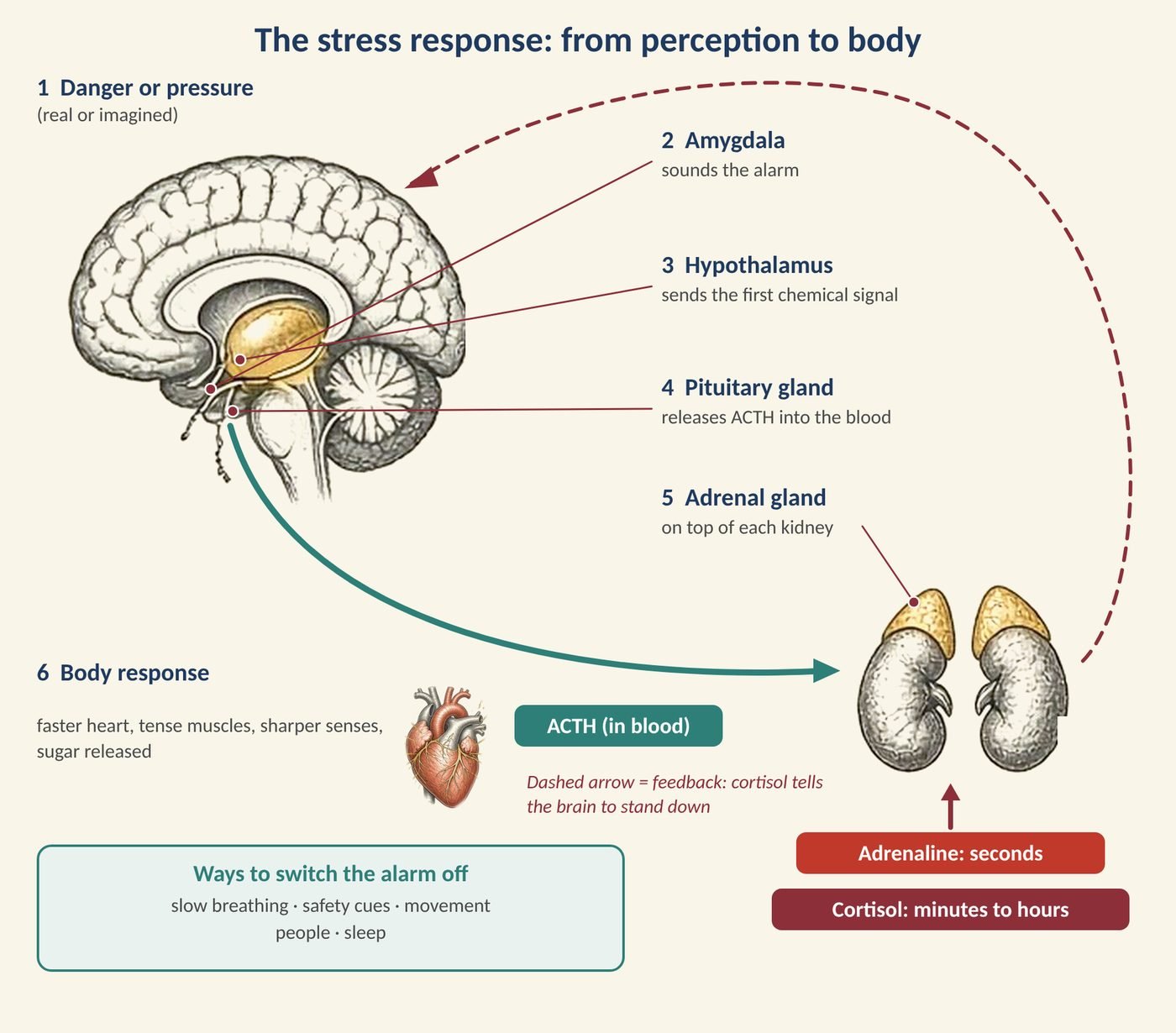
Figure 7.2 The stress response from perception to body.
- Hypothalamus releases CRH (corticotropin-releasing hormone).
- Pituitary gland releases ACTH (adrenocorticotropic hormone).
- Adrenal glands release cortisol, the main stress hormone.
Normal role of cortisol: mobilises energy (increases blood sugar); modulates immune function; helps maintain blood pressure; influences sleep-wake cycle and mood.
Acute (short-term) cortisol rise: helpful for coping with immediate challenges. Chronic (long-term) high cortisol: can damage physical and mental health.
7.4 Effects of chronic stress
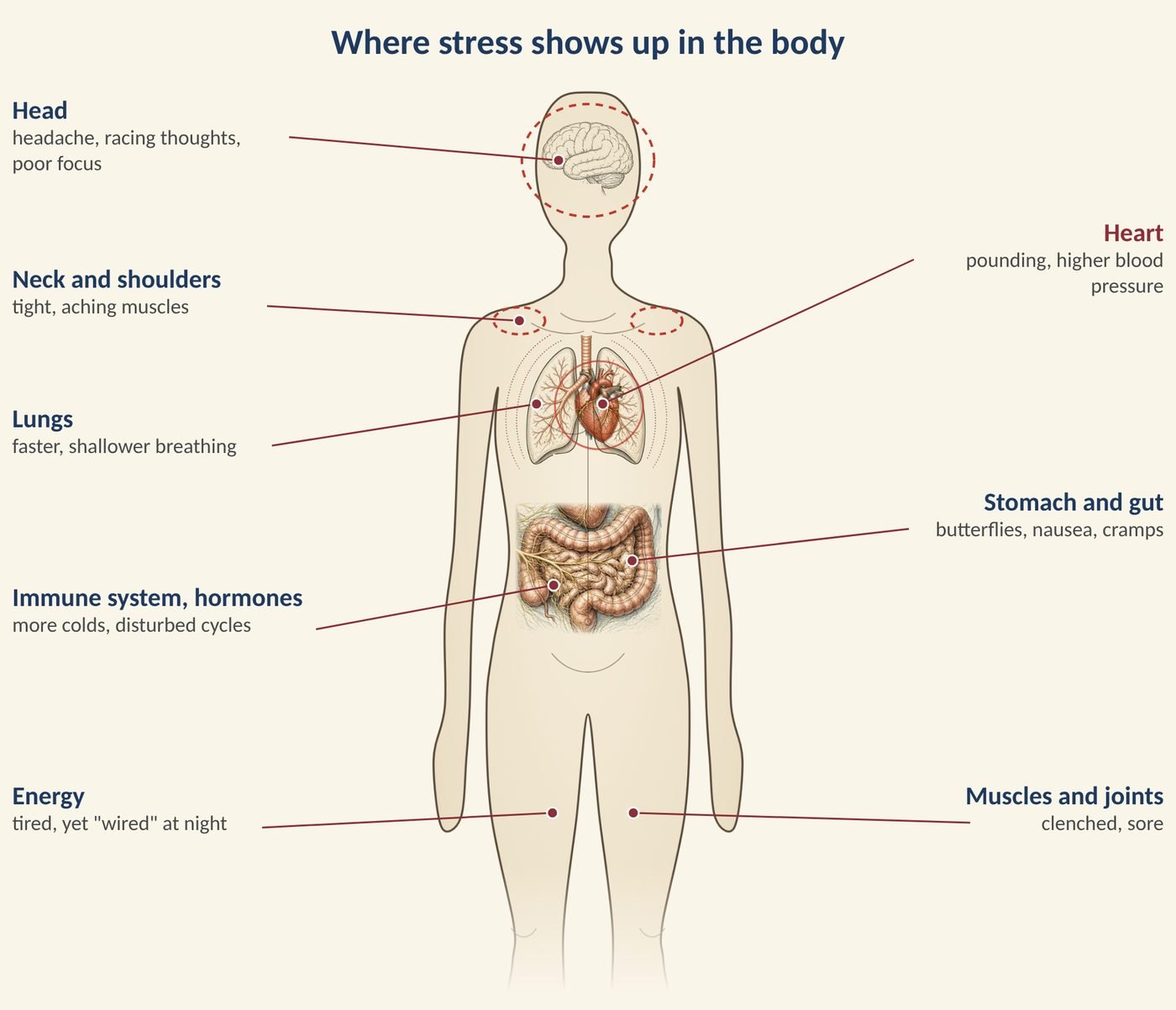
Figure 7.3 Where stress shows up in the body.
Brain and mental health
Hippocampus (memory): chronic high cortisol can impair memory formation and retrieval. Linked to difficulty concentrating and forgetfulness.
Amygdala (fear centre): can become overactive, increasing anxiety, fear responses, and emotional reactivity.
Prefrontal cortex (thinking and self-control): function can be reduced, leading to poor decision-making, impulsivity, and difficulty regulating emotions.
Mood and behaviour: increased risk of anxiety disorders, depression, irritability, anger outbursts, and substance use as coping.
Physical health
- Cardiovascular: high blood pressure, increased heart rate, higher risk of heart disease and stroke over time.
- Metabolism: increased abdominal fat, insulin resistance, higher risk of type 2 diabetes.
- Immune system: initially activated, but chronic stress can weaken immune response and increase infections.
- Digestive: stomach pain, acidity, irritable bowel syndrome (IBS), nausea, appetite changes.
- Muscles and pain: muscle tension, headaches, back pain, body aches.
- Sleep: difficulty falling asleep, staying asleep, or non-restorative sleep.
- Reproductive: reduced libido, menstrual irregularities, fertility issues, erectile difficulties.
Chronic stress is therefore a whole-body problem, not only a mental one.
7.5 Types of stress
- Acute stress: short-term (minutes to days). Example: exam, interview, argument, near-accident. Often resolves once the situation ends.
- Episodic acute stress: frequent episodes of acute stress. Common in people with hectic lifestyles, constant deadlines, or high anxiety.
- Chronic stress: long-term (weeks, months, years). Examples: ongoing financial strain, abusive relationship, chronic illness, caregiving burden, unsafe environment. Most damaging to health; often needs structured support and changes.
- Eustress (positive stress): challenging but manageable and meaningful (training for a sport, preparing for a wedding, starting a wanted job). Can enhance growth and performance.
- Distress (negative stress): overwhelming, threatening, or meaningless. More likely to harm health if prolonged.
7.6 Signs and symptoms
|
Domain |
Examples |
|---|---|
|
Emotional |
Irritability, anger, sadness, anxiety, feeling overwhelmed, emotional numbness |
|
Cognitive |
Worry, racing thoughts, poor concentration, forgetfulness, indecisiveness, negative thinking |
|
Physical |
Headache, muscle tension, fatigue, sleep problems, stomach issues, palpitations, appetite changes |
|
Behavioural |
Withdrawing, procrastination, more alcohol/tobacco/caffeine, overworking, nail-biting, restlessness |
Not everyone experiences all symptoms. Patterns vary by person, age, and culture.
7.7 Stress and mental disorders
Chronic stress does not always cause a mental disorder, but it is a major risk factor:
- Anxiety disorders: ongoing stress can heighten vigilance and worry, contributing to generalised anxiety, panic disorder, and social anxiety.
- Depression: chronic stress, especially with helplessness or lack of support, can lead to or worsen depression.
- PTSD: follows exposure to severe trauma (war, assault, accident, disaster). Symptoms include flashbacks, nightmares, avoidance, hypervigilance, and emotional numbness.
- Substance use disorders: some people use alcohol, drugs, or smoking to self-medicate stress, which can lead to dependence and worsen mental health over time.
Early stress management can reduce the risk of these conditions developing or becoming severe.
7.8 Level-wise impact
- Mild: occasional pressure with adequate rest and support; challenging but manageable; little impact on daily functioning.
- Moderate: frequent stress affecting sleep, mood, or concentration; some impact on work, study, or relationships; lifestyle changes and counselling can be very helpful.
- Severe: constant feeling of being overwhelmed; significant impairment; possible anxiety or depression; needs therapy, possible medical evaluation, and strong social support.
- Emergency: suicidal thoughts, severe panic, inability to function, or harmful substance use — immediate professional and possibly emergency care.
7.9 Healthy ways to manage stress
Body-based
- Breathing exercises: slow, deep breathing (for example, 4 seconds in, 6 seconds out) activates the parasympathetic system.
- Physical activity: walking, jogging, yoga, dancing, sports reduce stress hormones and increase endorphins. Aim for regular movement most days.
- Progressive muscle relaxation: tensing and relaxing muscle groups systematically.
- Sleep: regular schedule, dark and quiet room, reduced evening screens. Good sleep is one of the strongest stress buffers.
Mind-based
- Cognitive reframing: notice catastrophic thoughts ("Everything is ruined") and replace with balanced ones ("This is difficult, but I can take one step at a time").
- Mindfulness and meditation: attention to the present without harsh judgement; can reduce rumination over time.
- Prayer and spiritual practices: for many, faith, chanting, scripture, and satsang provide comfort, meaning, and community.
Social and lifestyle
- Social support: talking to trusted family or friends; joining groups (sports, hobby, faith, support groups).
- Time management: prioritising, breaking large tasks, saying no when necessary.
- Reducing stimulants: limiting excessive caffeine, nicotine, and alcohol.
- Professional help: counselling or therapy for persistent stress; psychiatric evaluation if severe symptoms or substance dependence.
7.10 Unhealthy coping
- Excessive alcohol, smoking, or drug use.
- Overeating or severely restricting food.
- Aggressive outbursts or violence.
- Complete avoidance (skipping work, isolating for long periods).
- Self-harm or risky behaviours.
These may give short-term relief but usually worsen stress, health, and relationships over time. Recognising these patterns is a first step toward change.
7.11 Common causes of stress
- Work or study: heavy workload, job insecurity, conflict, exams, perfectionism
- Money: debt, low income, unexpected costs
- Relationships: conflict, loneliness, separation, caregiving
- Life changes: moving, marriage, a new baby, retirement, bereavement
- Health: illness, pain, worry about disease
- Environment: noise, crowding, unsafe neighborhoods, discrimination
- Information overload: constant news and notifications
- Inner pressure: unrealistic standards, fear of failure, constant self-criticism
7.12 Burnout
Burnout is a state of deep exhaustion that develops after a long period of unmanaged work stress. The World Health Organisation describes it as an “occupational phenomenon,” not a medical disease, with three features:
- Exhaustion: feeling drained, energy gone.
- Cynicism or distance: feeling negative or detached from the job, people, or tasks.
- Reduced effectiveness: feeling less capable and less productive.
Burnout can affect anyone, but it is common in health care, teaching, social work, caregiving, and any job with high demands and low control. It overlaps with depression, and if symptoms are severe or last long, professional assessment is important.
7.13 Stress versus anxiety
The two overlap, but there is a difference:
- Stress is usually a response to an identifiable external pressure, and it tends to fade when the pressure ends.
- Anxiety is persistent worry or fear that often continues even without an obvious cause, and may involve fear of what might happen.
Prolonged stress can lead to an anxiety disorder or depression. The next two chapters explain these conditions.
7.14 Adjustment disorder
Sometimes a major life change, such as divorce, job loss or a serious diagnosis, triggers stress reactions that are stronger or last longer than expected and interfere with daily life. When symptoms appear within about three months of the stressor and are out of proportion to it, doctors may call this an adjustment disorder. It usually improves with support, coping skills, and time, and sometimes with brief therapy.
7.15 Thinking differently about stress
Research suggests that our beliefs about stress matter. People who see stress as purely harmful tend to feel worse than those who see it as a sign the body is preparing to meet a challenge. Telling yourself “My heart is pounding because my body is getting ready” can change your experience from fear to readiness. This does not mean ignoring severe stress; it means that the stress response itself is not your enemy.
7.16 A simple story
7.17 One companion verse
Reflection activity
- What are your top three stressors right now (work, family, finances, health, studies)?
- How does stress usually show up in your body and behaviour (headache, irritability, overeating, isolation)?
- Choose one healthy stress-management practice from this chapter. When and how will you practise it this week?
This book is for education and general awareness. It does not replace diagnosis or treatment by a qualified professional. If anyone is in danger, contact your local emergency services.