
Where mental health has an address in the body
A thought has an address. An address is not a destiny.
3.1 Overview
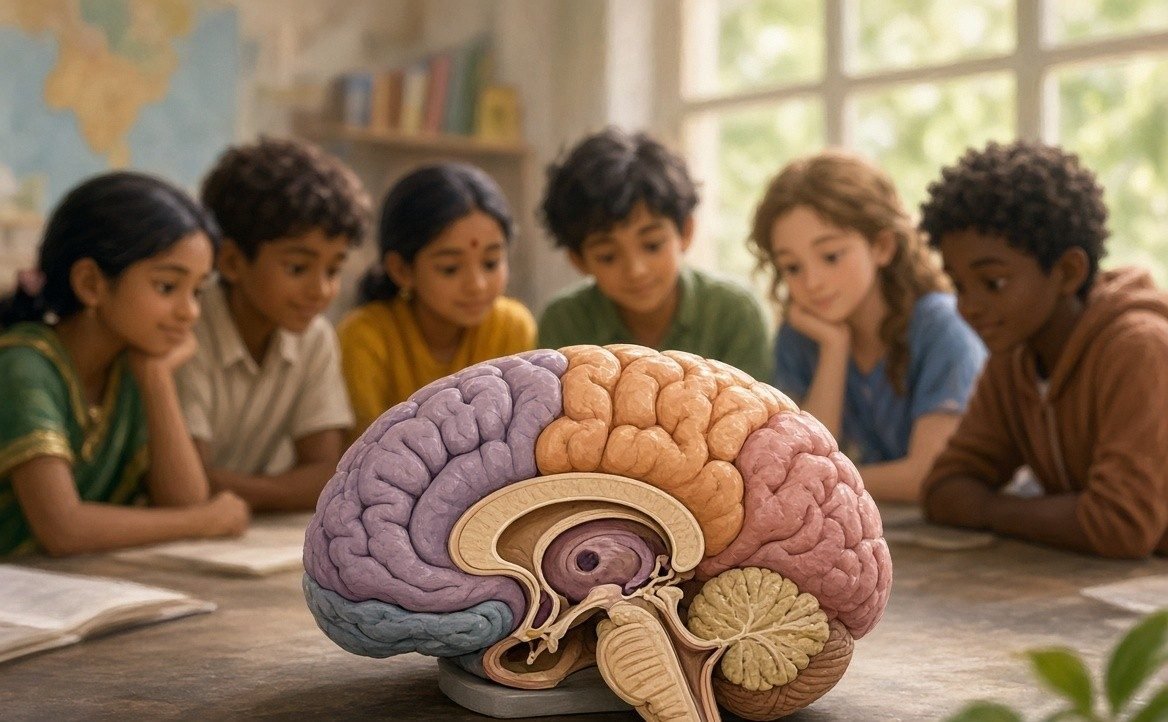
The brain and nervous system control thinking, emotions, memory, movement, senses, hormones, and automatic body functions like breathing and heartbeat. Understanding brain structure helps us understand mental health.
In more depth
This is why a new temper after a head injury is not only 'attitude,' and why a first week of no sleep is not only 'stress.' The organ that thinks can be tired, inflamed, concussed, or starved of thyroid hormone. Mental wellbeing lives in this wiring. It is not only a story.
3.2 Major brain regions
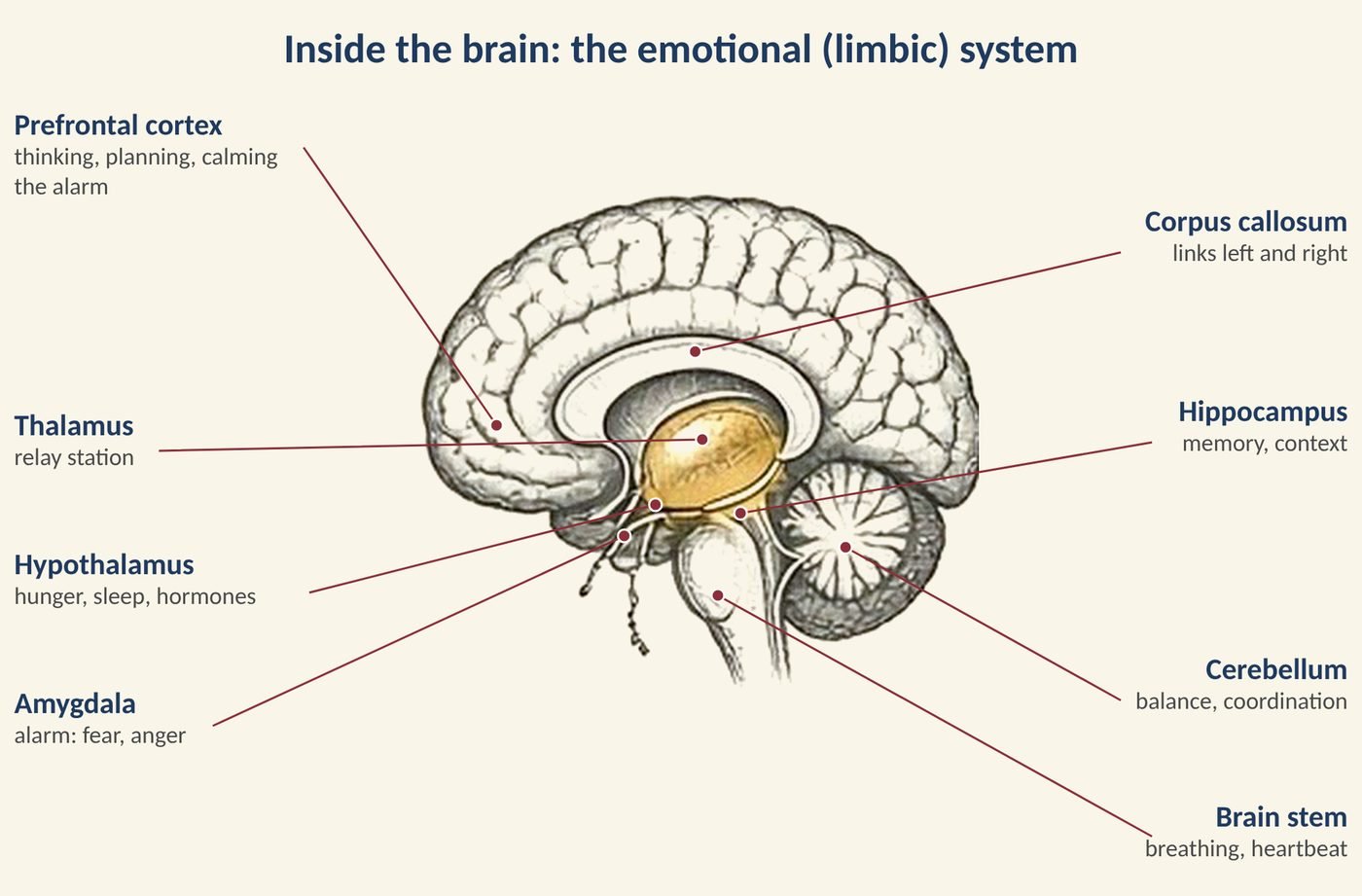
Figure 3.1 Three regions you will meet often: thinking brain, alarm and memory.
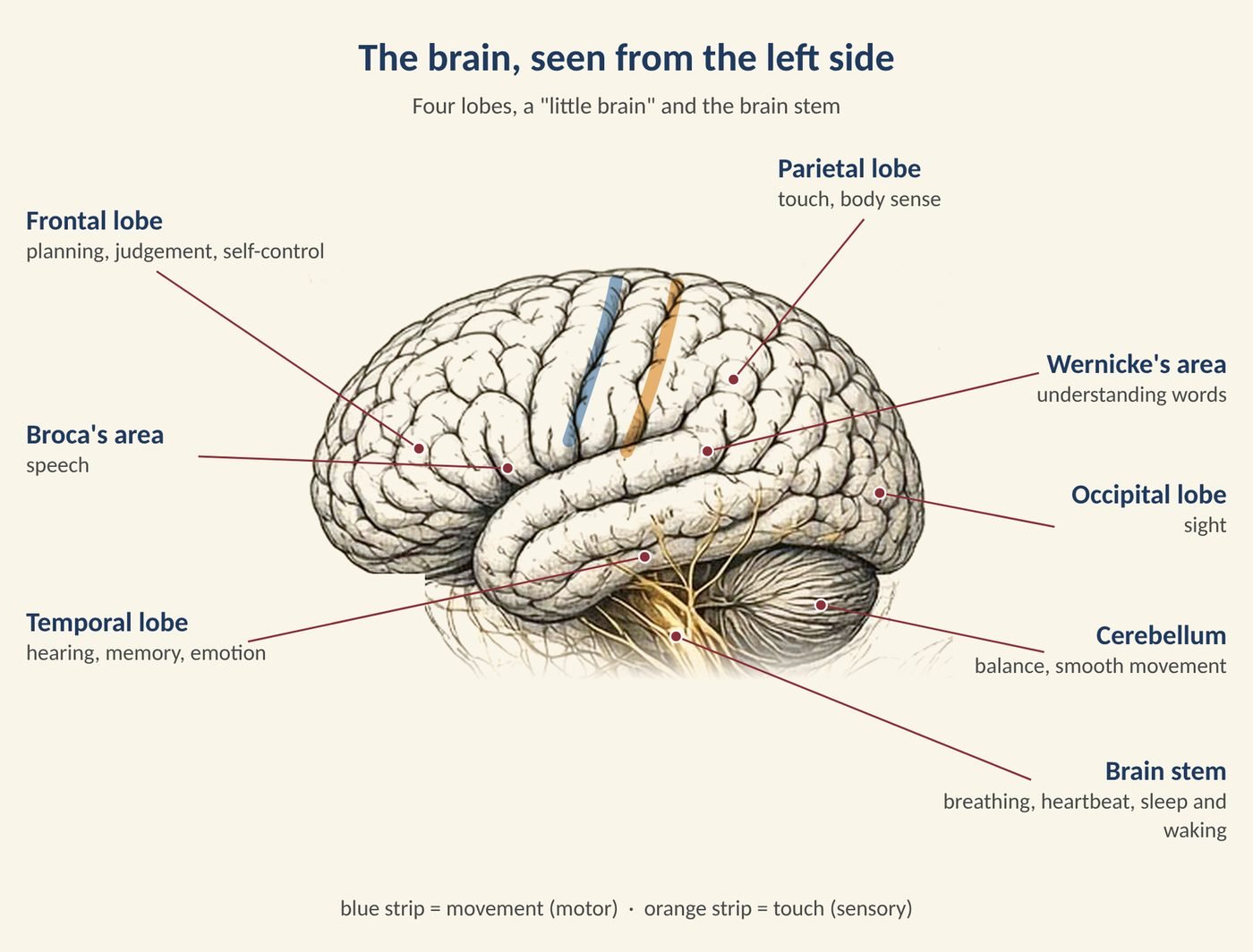
Figure 3.2 The lobes of the brain and what each is mainly responsible for.
Frontal lobe (front of brain)
- Planning and organization.
- Decision-making.
- Self-control and impulse control.
- Personality expression.
- Speech production (Broca's area).
- Problem-solving.
- Judgment.
working memory and social judgment.
Clinic note. Damage or exhaustion here looks like poor planning, blunt speech, or a person who cannot stop a harmful impulse. That can be injury, mania, substance use, or sleep loss — not always 'bad character.'
Parietal lobe (top-middle of brain)
- Touch sensation.
- Spatial awareness.
- Body position (proprioception).
- Navigation and movement coordination.
- Processing sensory information.
spatial attention.
Temporal lobe (sides of brain, near ears)
- Hearing and auditory processing.
- Memory formation and retrieval.
- Language comprehension (Wernicke's area).
- Emotion processing.
- Face recognition.
objects and faces. A person who suddenly cannot name familiar faces needs a medical door, not a motivation speech.
Occipital lobe (back of brain)
- Vision and visual processing.
- Color recognition.
- Object recognition.
- Visual memory.
Limbic system (deep inside brain)
- Emotions (fear, anger, pleasure).
- Memory formation (hippocampus).
- Motivation and reward (amygdala, nucleus accumbens).
- Survival behaviours.
- Emotional memories.
The pieces are separate: hippocampus — new episodic memories and spatial maps; amygdala — salience and threat, emotional memory.
Clinic note. Trauma and panic use this neighbourhood heavily. The alarm can fire after the danger has gone. Therapy and, when needed, medicine work here as well as in the frontal lobe that tries to talk the alarm down.
Cerebellum (back-bottom of brain)
- Balance and coordination.
- Fine motor control.
- Motor learning.
- Some cognitive functions.
timing and coordination.
Brainstem (base of brain, connects to spinal cord)
- Breathing control.
- Heart rate regulation.
- Sleep-wake cycles.
- Consciousness.
- Vital automatic functions.
breathing, heart, arousal. This is the landlord who does not negotiate. If consciousness or breathing is failing, this is casualty, not counselling.
3.3 The nervous system
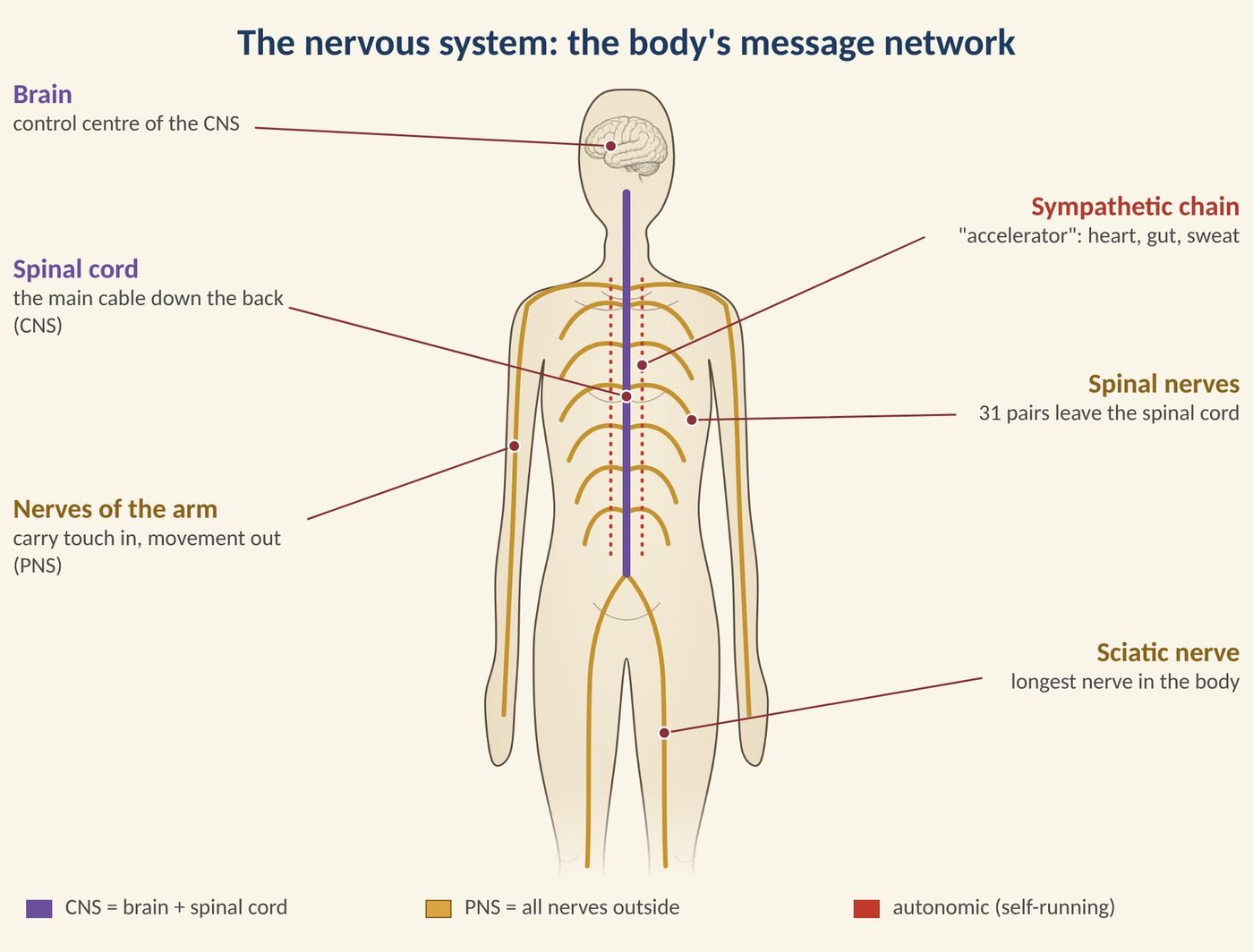
Figure 3.3 How the nervous system is organised.
Central nervous system (CNS)
- Brain.
- Spinal cord.
- Processes and coordinates information.
Peripheral nervous system (PNS)
- Nerves throughout the body.
- Carries information to and from the CNS.
- Two divisions:
- Somatic nervous system: voluntary movements.
- Autonomic nervous system: automatic functions.
the central nervous system is brain and spinal cord. Everything else is peripheral. Somatic nerves move the limbs you can point to. Autonomic nerves run the interior.
Autonomic nervous system: two branches
Sympathetic nervous system (fight-or-flight)
- Activates during stress or danger.
- Increases heart rate.
- Dilates pupils.
- Redirects blood to muscles.
- Prepares body for action.
Parasympathetic nervous system (rest-and-digest)
- Activates during rest.
- Slows heart rate.
- Promotes digestion.
- Supports healing and recovery.
- Conserves energy.
they are a balance, not a light switch. The hypothalamus sits on the border of neural and hormonal control and aims the pituitary at the rest of the endocrine system — including the HPA stress axis and cortisol.
Clinic note. Anxiety often feels like a sympathetic system that will not stand down. Depression and exhaustion often feel like a system that will not stand up. Chapter 7 returns to stress and the HPA axis. Chapter 4 returns to cortisol as a messenger.
3.4 Brain plasticity
Neuroplasticity is the brain's ability to change and adapt throughout life. This means:
- New neural connections can form.
- The brain can recover from injury.
- Learning changes brain structure.
- Therapy can rewire thought patterns.
- Habits can be changed with practice.
This is why treatment, therapy, and lifestyle changes can improve mental health.
In more depth
Plasticity is hope with a timetable, not magic. Sleep, movement, practice, and sometimes medicine are how maps are redrawn. A stroke rehab plan and a CBT homework sheet are both plasticity projects.
3.5 Messengers
A neuron receives on dendrites, sums in the soma, and sends an all-or-none action potential down the axon. At the synapse, chemicals speak. No single chemical is a mood.
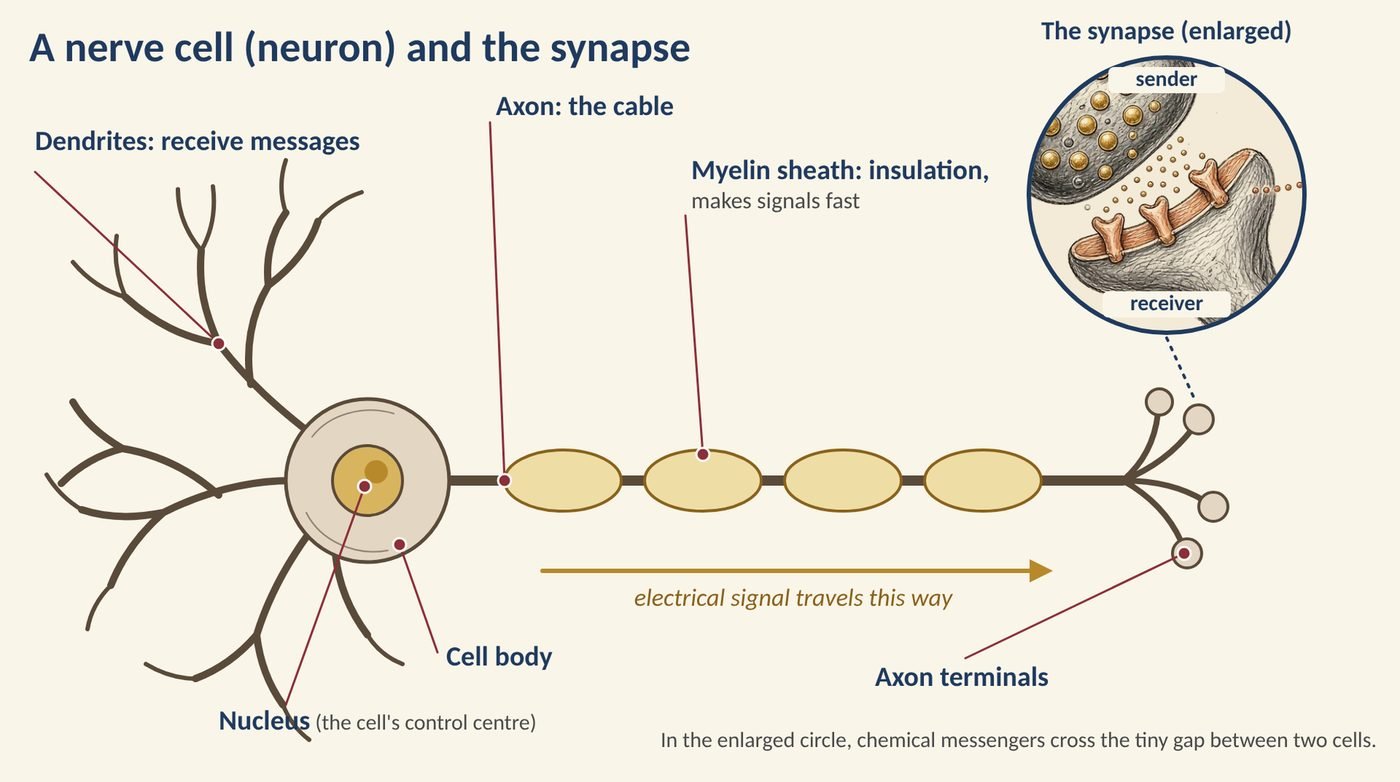
Figure 3.4 A neuron and its synapse.
- Neuron structure: dendrites, soma, axon, synapse.
- Action potential.
- Glutamate (excitatory).
- GABA (inhibitory).
- Acetylcholine (movement, attention, memory).
- Dopamine (movement, motivation, reward).
- Serotonin (mood, sleep, appetite, impulse).
- Norepinephrine (arousal, vigilance).
Full treatment of hormones and these chemicals is Chapter 4. They are listed here because they belong with the living brain.
3.6 Taking care of your brain
You can look after your brain with ordinary, free habits:
- Move. Regular physical activity increases blood flow, supports new connections, and lifts mood.
- Sleep. Keep regular hours and protect your sleep.
- Eat well. Fruits, vegetables, whole grains, nuts, fish, and plenty of water support brain health.
- Stay mentally active. Reading, puzzles, learning new skills, and conversation keep the brain flexible.
- Stay connected. Social contact is good for the brain at every age.
- Manage stress. Relaxation, hobbies, and breaks lower the load.
- Protect your head. Wear helmets and seat belts.
- Limit alcohol and avoid drugs. They damage brain function.
- Get medical check-ups. Blood pressure, blood sugar, and hearing all affect brain health.
3.7 One story
3.8 One companion verse
One old picture of the same chapter: body as chariot, mind as reins, intellect as driver. If the horses bolt, inspect the chariot — sleep, injury, thyroid — not only the rider's morals.
Reflection
- Which region in this chapter best matches a problem you have seen in a relative — impulse, memory, vision, alarm, or sleep?
- When did someone in your house blame 'attitude' for what might have been a body event?
- What one sleep or safety habit this week would help the chariot, not only the rider?
This book is for education and general awareness. It does not replace diagnosis or treatment by a qualified professional. If anyone is in danger, contact your local emergency services.