
A map, not a diagnosis
Sāmya is a proportion. It is not a blood test and not a reason to skip a clinic.
20.1 Why this map sits beside psychology
Ancient Hindu and Ayurvedic traditions describe five great elements (Pancha Mahabhuta) that compose all matter. Each element is associated with specific senses and qualities.
In brief: use the map as a sensory diet and a language for proportion (sāmya), not as fate. Diathesis-stress still applies. An element imbalance is a prior. New evidence — a clinic, a blood test, a week of sleep — moves the posterior. Do not treat this chapter as a substitute for Chapters 8–11 or 15.
20.2 The five elements
|
Element |
Sense |
Quality |
Body |
Mental qualities |
|---|---|---|---|---|
|
Earth (Pṛthvī) |
Smell |
Solid, stable, heavy, grounding |
Bones, teeth, nails, tissues, muscles |
Stability, patience, reliability, groundedness |
|
Water (Jala) |
Taste |
Liquid, fluid, cohesive, adaptable |
Blood, lymph, saliva, digestive juices, fluids |
Emotional flow, adaptability, compassion, flexibility |
|
Fire (Agni) |
Sight |
Hot, transforming, illuminating, metabolic |
Eyes, digestive fire, metabolism, temperature |
Intelligence, clarity, transformation, courage, ambition |
|
Air (Vāyu) |
Touch |
Mobile, light, dry, moving |
Lungs, breath, nervous system, movement, elimination |
Creativity, movement, communication, flexibility |
|
Space (Ākāśa) |
Hearing |
Expansive, subtle, all-pervading |
Empty spaces: mouth, nostrils, tract, vessels |
Expansion, consciousness, connection |
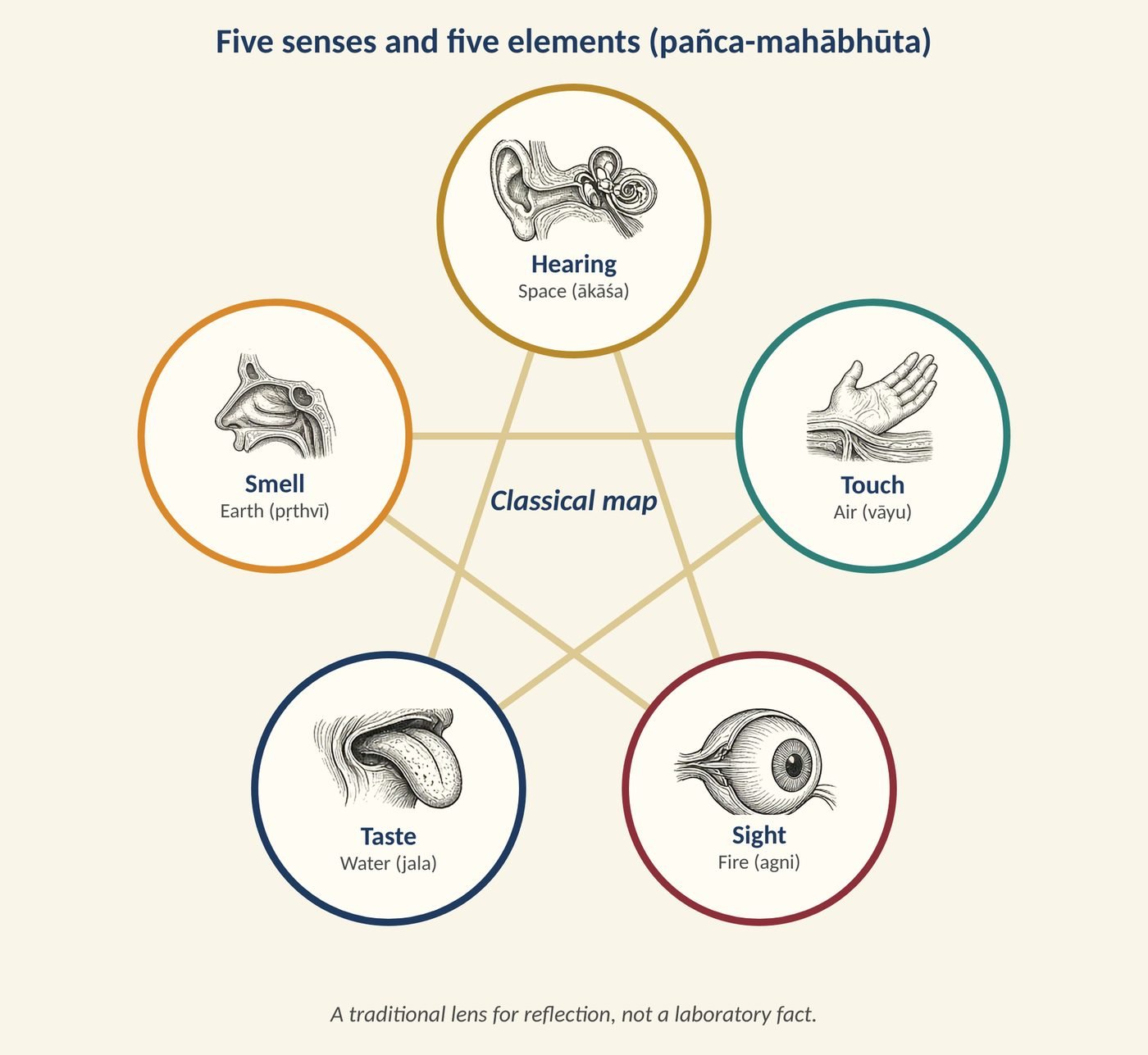
Figure 20.1 The classical map of five senses and five elements.
Earth (Pṛthvī)
Imbalance: anxiety, restlessness, feeling ungrounded, digestive issues. Balancing practices: walking barefoot on earth, gardening, root vegetables, grounding meditation.
Water (Jala)
Imbalance: emotional instability, rigidity, dehydration, kidney issues. Balancing practices: adequate hydration, swimming, being near water, emotional expression.
Fire (Agni)
Imbalance: anger, irritability, inflammation, digestive problems, perfectionism. Balancing practices: moderate sun exposure, cooling foods, forgiveness practices, avoiding overheating.
Air (Vāyu)
Imbalance: anxiety, fear, restlessness, insomnia, constipation, dry skin. Balancing practices: pranayama, regular routine, warm foods, massage, grounding activities.
Space / ether (Ākāśa)
Imbalance: feeling disconnected, isolation, spaciness, poor communication. Balancing practices: meditation, chanting, singing, silence, creating physical and mental space.
20.3 Combinations in lived life
- Earth + water: mud, body, heaviness; depression's stuck-in-the-clay; also grounding and containment.
- Water + fire: steam, passion, tears that heat, inflammation of feeling.
- Fire + air: flame in wind — racing thought, panic, inspiration that will not sit.
- Air + space: dissociation or meditation, depending on safety and skill.
- All five in balance: the old word is sāmya — health as a proportion, not a mood.
20.4 Practical applications
Excess Vata (air + space)
Symptoms: anxiety, insomnia, restlessness, fear. Treatment language: warm grounding foods; regular routine; oil massage; calming practices.
Excess Pitta (fire)
Symptoms: anger, irritability, inflammation, perfectionism. Treatment language: cooling foods; moderation; forgiveness; avoiding overheating.
Excess Kapha (earth + water)
Symptoms: depression, lethargy, attachment, stagnation. Treatment language: stimulating activities; light foods; exercise; variety.
Read these as lifestyle hypotheses beside a diagnosis, not instead of one. Panic still belongs in Chapter 8. Melancholic depression still belongs in Chapter 9. Mania still belongs in Chapter 11.
20.5 Meditation on elements
Element visualisation practice:
- Earth: visualise roots growing from your feet into the ground. Feel stability.
- Water: imagine a calm lake within you. Feel emotional flow and adaptability.
- Fire: visualise a gentle flame at the solar plexus. Feel clarity and transformation.
- Air: feel your breath moving freely. Imagine lightness and creativity.
- Space: sense the vast space around and within you.
If visualisation spikes panic or dissociation, stop and return to a 4-in, 6-out breath or a walk. That is psychology first.
20.6 One companion verse
Reflection activity
- Which element feels most balanced in your life right now?
- Which element feels out of balance?
- What practices could help restore balance?
- How do your senses relate to your current mental state?
- Create a daily practice incorporating all five elements — as habit, not as a diagnosis.
This book is for education and general awareness. It does not replace diagnosis or treatment by a qualified professional. If anyone is in danger, contact your local emergency services.