Four rooms, one house
A practice supports a clinic. It does not cancel one.
23.1 Holistic mental health
The biopsychosocial-spiritual model. True mental health addresses all dimensions:
- Biological: genetics, brain chemistry, hormones, physical health.
- Psychological: thoughts, emotions, behaviours, coping skills.
- Social: relationships, community, culture, environment.
- Spiritual: meaning, purpose, values, connection to something greater.
23.2 Mind-body connection
How mind affects body
- Stress → cortisol → inflammation → physical illness.
- Anxiety → muscle tension → pain, headaches.
- Depression → fatigue, sleep problems, appetite changes.
- Thoughts and emotions → immune function.
- Chronic stress → accelerated aging.
How body affects mind
- Exercise → endorphins, BDNF → improved mood.
- Sleep → cognitive function, emotional regulation.
- Nutrition → neurotransmitter production.
- Gut health → serotonin production, inflammation.
- Chronic pain → depression, anxiety.
23.3 Practices for mind-body integration
Yoga
Combines postures, breath work, meditation. Benefits: flexibility, strength, stress reduction, emotional regulation. Research: effective for anxiety, depression, PTSD. Types named: Hatha, Vinyasa, Iyengar, Restorative, Kundalini.
Tai chi and qigong
Gentle movement with breath and meditation. Benefits: balance, relaxation, stress reduction. Research: helps anxiety, depression, chronic pain. Accessible for all ages and fitness levels.
Mindfulness meditation
Present-moment awareness without judgment. Benefits: stress reduction, emotional regulation, focus. Research: changes brain structure (increases grey matter in prefrontal cortex and hippocampus). Programs: MBSR, MBCT.
Breathing practices (pranayama)
Conscious control of breath. Benefits: calms the nervous system, reduces anxiety, improves focus. Techniques named: deep breathing, alternate-nostril breathing, box breathing. Immediate effect on the stress response.
Progressive muscle relaxation and body scan
PMR: systematically tensing and relaxing muscle groups. Benefits: physical relaxation, anxiety reduction, sleep improvement. Easy to learn. Body scan: systematic awareness of bodily sensations; often part of mindfulness programmes.
23.4 Spiritual wellbeing
Religion: organised system of beliefs, practices, community. Spirituality: personal search for meaning, purpose, connection to something greater. They can overlap. Both can support mental health.
Aspects
- Meaning and purpose: sense that life has meaning; goals; contribution; Viktor Frankl's will to meaning.
- Values: clear personal values; living in alignment; ethical framework.
- Connection: to self, others, nature, and the transcendent (God, universe, higher power, consciousness).
- Transcendence: experiences beyond ordinary self; awe, wonder, gratitude; peak experiences; meditation, prayer, nature.
- Hope and faith: belief in a positive future; trust in the process of life; resilience during difficulties.
Practices named
Meditation and prayer; time in nature; service and volunteering; gratitude; contemplation; rituals and ceremonies; study of sacred texts or wisdom traditions; pilgrimage; fasting or other disciplines.
Benefits named
Lower rates of depression and suicide in some studies; better coping with illness and stress; greater life satisfaction; stronger social support in religious communities; meaning buffers against despair.
Cautions
- Spiritual bypassing: using spirituality to avoid psychological work.
- Religious trauma or harmful beliefs.
- Should complement, not replace, professional treatment.
23.5 Finding meaning and purpose
Viktor Frankl, Holocaust survivor and psychiatrist, wrote Man's Search for Meaning. Key insights: the primary drive is not pleasure (Freud) or power (Adler), but meaning. Those who have a why can bear almost any how.
Three ways to find meaning: creating a work or doing a deed; experiencing something or encountering someone (love, beauty, relationships); attitude toward unavoidable suffering (choosing our response).
Questions: What brings you joy? What are your unique gifts? What needs in the world resonate? Whom do you want to serve? What would you do if you knew you could not fail? What do you want your legacy to be? What makes you feel most alive?
Ikigai (Japanese concept): intersection of what you love, what you are good at, what the world needs, and what you can be paid for.
23.6 Integrative treatment
Optimal care often integrates: conventional treatments (psychotherapy, medicines when indicated, medical care); lifestyle (exercise, nutrition, sleep, stress management); mind-body practices; social support; spiritual resources; complementary approaches (acupuncture, massage, art/music therapy, nature therapy).
Principles: evidence-based when possible; individualised; safe (check interactions and contraindications); coordinated among providers; person-centred (respect autonomy and values).
23.7 Daily integration practices
Morning
Gratitude (3 things); intention for the day; mindful breathing or meditation; nourishing breakfast; movement.
During the day
Mindful transitions; conscious breathing during stress; healthy meals; connection with others; alignment with values in decisions.
Evening
Reflection; journaling; wind-down; limit screens; consistent sleep schedule.
Weekly
Time in nature; creative expression; service; spiritual practice; social connection; self-care.
23.8 The whole person
You are not just your thoughts, emotions, or brain chemistry. You are an integrated whole: a physical being who needs movement, rest, and nutrition; an emotional being with feelings to process; a mental being with thoughts to examine; a social being who needs belonging; a spiritual being who searches for meaning.
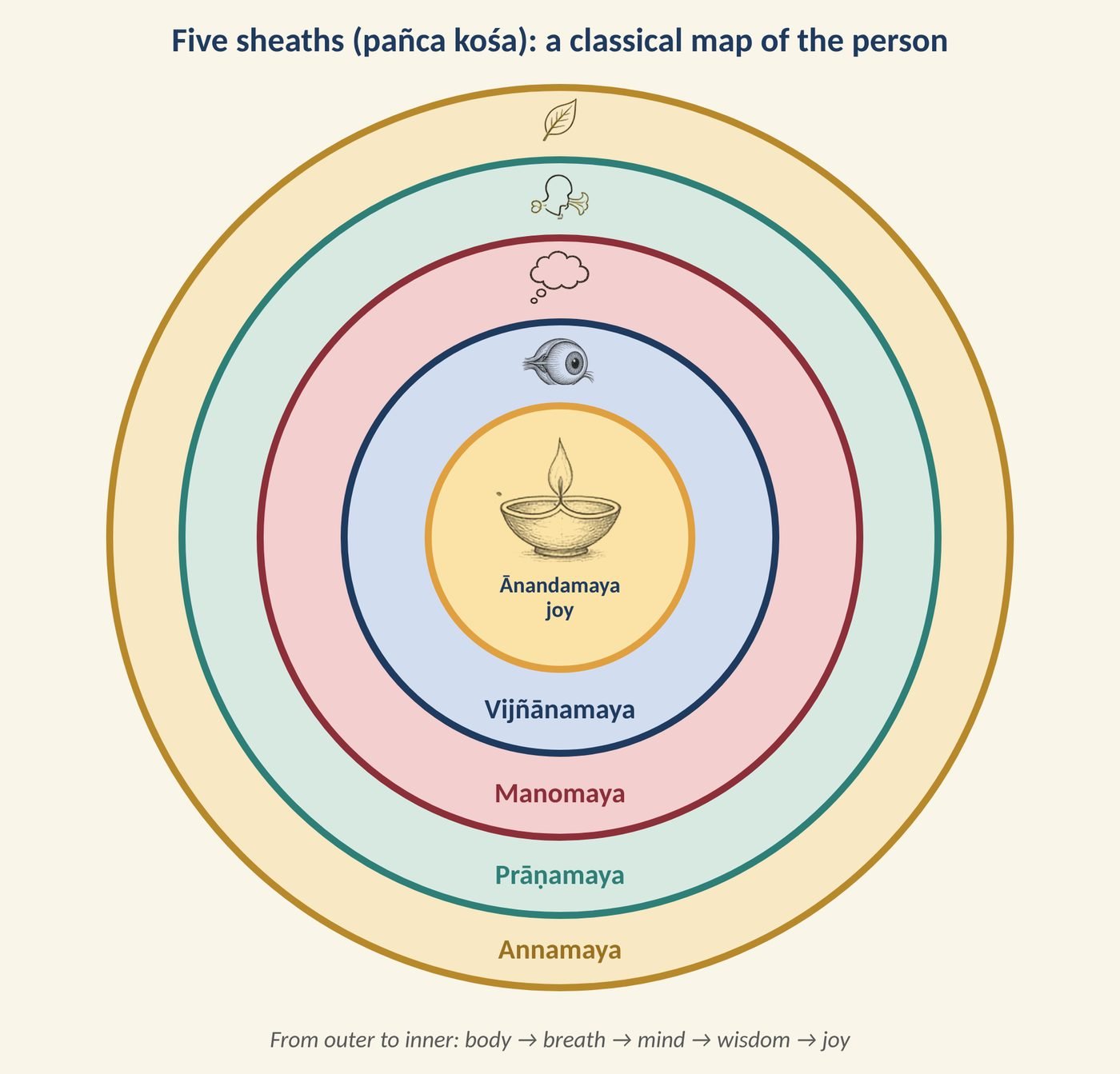
Figure 23.1 The five sheaths (pañca kośa): a classical map of the person.
Mental health is not the absence of problems. It is the capacity to navigate life with resilience, meaning, and connection.
23.9 One companion verse
Reflection activity
- Which dimension (body, mind, social, spiritual) feels most balanced?
- Which dimension needs more attention?
- What one practice could you add this week?
- What gives your life meaning and purpose?
- How do you want to grow in the coming year?
Volume 5 in brief
Chapter 19: five senses as biological systems. Chapter 20: five elements as a map, not a diagnosis. Chapter 21: body chemistry. Chapter 22: advanced conditions, all treatable. Chapter 23: four dimensions of a whole person. Next: Volume 6 — Dharma and the Mind (Chapter 24).
This book is for education and general awareness. It does not replace diagnosis or treatment by a qualified professional. If anyone is in danger, contact your local emergency services.