
Messengers of mood, not insults to character
No single chemical is a mood. A chemical story is also not an insult.
4.1 Neurotransmitters
Neurotransmitters are brain chemicals that transmit signals between nerve cells (neurons). They affect mood, thoughts, behaviour, and physical functions.
Reminder: a neuron receives on dendrites, sums in the soma, and sends an all-or-none action potential down the axon. At the synapse, chemicals speak. No single chemical is a mood.
Serotonin
Functions: regulates mood, sleep, appetite, digestion, pain perception.
Low levels linked to: depression, anxiety, OCD, sleep problems, irritability.
Natural boosters: sunlight, exercise, healthy diet, positive social interaction.
Medications: SSRIs (Selective Serotonin Reuptake Inhibitors).
Clinic note. 'Low serotonin' is a shorthand, not a blood test most GPs can hand you. SSRIs help many people. They are not proof that you lacked a moral chemical.
Dopamine
Functions: reward, motivation, pleasure, movement, focus, learning.
Imbalances linked to: addiction, Parkinson disease, schizophrenia, ADHD.
High levels: can cause mania, hallucinations, impulsivity.
Low levels: can cause depression, lack of motivation, movement problems.
Natural boosters: achieving goals, exercise, music, adequate sleep.
Clinic note. Pleasure from finishing a small task is not addiction. Addiction is when the seeking takes the life. Parkinson and schizophrenia are medical. Do not diagnose them from this paragraph.
Noradrenaline (norepinephrine)
Functions: alertness, energy, focus, attention, stress response.
Role in stress: part of fight-or-flight response.
Imbalances linked to: anxiety, depression, ADHD, PTSD.
Medications: SNRIs affect both serotonin and noradrenaline.
GABA (gamma-aminobutyric acid)
Functions: main calming neurotransmitter; reduces anxiety; promotes relaxation.
Low levels linked to: anxiety disorders, panic attacks, insomnia, seizures.
Natural boosters: meditation, yoga, deep breathing, certain foods.
Medications: benzodiazepines enhance GABA — short-term use only.
Clinic note. Benzodiazepines can save a crisis night. They can also create dependence. That is why 'short-term' is .
Glutamate
Functions: main excitatory neurotransmitter; learning, memory, cognition.
High levels can cause: anxiety, restlessness, excitotoxicity (cell damage).
Role: essential for brain development and function.
Acetylcholine
Functions: memory, learning, attention, muscle movement.
Low levels linked to: Alzheimer disease, memory problems.
Role: important for cognitive function.
4.2 Hormones affecting mental health
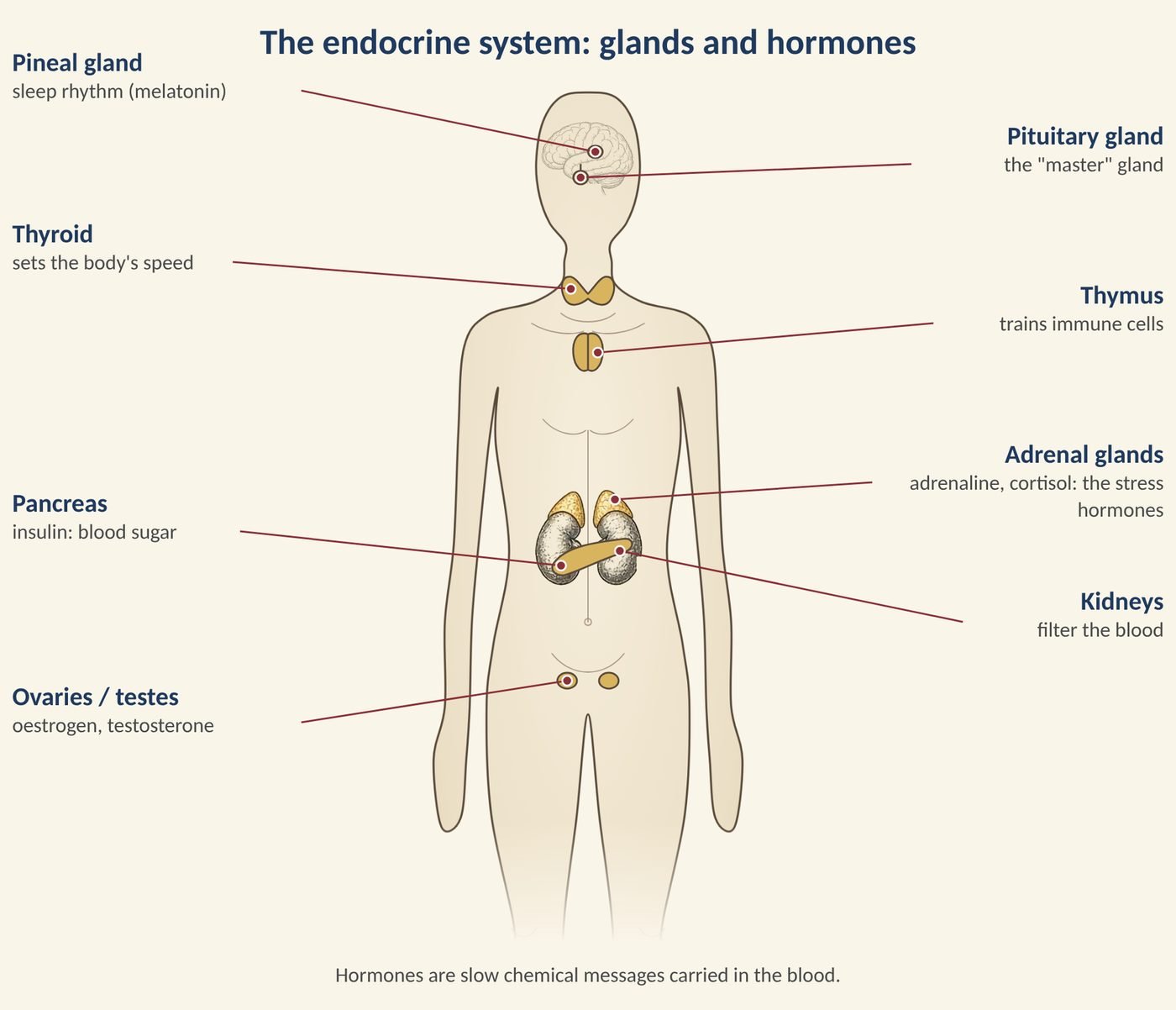
Figure 4.1 Main glands of the body and the chemical messengers they release.
Cortisol (stress hormone)
Produced by: adrenal glands.
Function: helps the body respond to stress; regulates metabolism and immune function.
Chronic elevation linked to: anxiety, depression, weight gain, sleep problems, memory issues, weakened immunity.
Management: stress reduction, adequate sleep, exercise, mindfulness.
Clinic note. Cortisol is useful in a sprint. As a lifestyle it is costly. Chapter 7 is the stress chapter; this is the messenger.
Thyroid hormones (T3, T4)
Produced by: thyroid gland (neck).
Function: regulate metabolism, energy, temperature.
Hypothyroidism (low): fatigue, depression, weight gain, brain fog.
Hyperthyroidism (high): anxiety, irritability, weight loss, rapid heartbeat.
Important: thyroid problems can mimic psychiatric conditions.
This sentence is worth pinning: check TSH before you settle on a personality theory.
Estrogen
Produced by: ovaries (main), adrenal glands, fat tissue.
Function: female sex hormone; affects mood, cognition, bone health.
Fluctuations linked to: PMS, postpartum depression, perimenopausal mood changes.
Effects: can influence serotonin and dopamine.
Progesterone
Produced by: ovaries; placenta during pregnancy.
Function: regulates menstrual cycle; supports pregnancy; calming effects.
Low levels linked to: anxiety, sleep problems, mood swings.
Has calming, anti-anxiety effects.
Testosterone
Produced by: testes (men); ovaries (women, smaller amounts).
Function: affects energy, mood, libido, muscle mass.
Low levels linked to: depression, fatigue, low motivation, low libido in both men and women.
Insulin
Produced by: pancreas.
Function: regulates blood sugar.
Imbalances linked to: mood swings, fatigue, brain fog, increased risk of depression.
Blood sugar stability supports mental health.
Melatonin
Produced by: pineal gland in brain.
Function: regulates sleep-wake cycle.
Low levels linked to: insomnia, depression, seasonal affective disorder.
Affected by: light exposure, screen time, irregular sleep schedule.
4.3 The mind-body connection
Brain chemicals and hormones show why mental health is connected to:
- Sleep quality (affects serotonin, melatonin, cortisol).
- Nutrition (provides building blocks for neurotransmitters).
- Exercise (boosts endorphins, serotonin, dopamine).
- Stress levels (affects cortisol, adrenaline).
- Social connection (affects oxytocin, serotonin).
- Sunlight exposure (affects serotonin, vitamin D, melatonin).
This is why holistic treatment addressing lifestyle is important alongside therapy and medication.
In more depth
Holistic here means the list above plus the clinic — not a hundred supplements instead of one blood panel. Oxytocin in your social-connection line is the bonding messenger; loneliness is not only a feeling. Vitamin D sits with sunlight; deficiency belongs on a lab form, not only on a wellness page. Chapter 21 continues this with B12, folate, gut, and inflammation.
4.4 Keeping hormones in balance: food, lifestyle and warning signs
Hormones are chemical messengers that glands release into the blood. They work in balance: too little and too much can both cause trouble, and many of the symptoms look like a mood problem before they look like a body problem. The table below shows, for each main hormone and brain chemical in this chapter, which foods and habits help keep it steady, and what can happen to health when it goes out of balance.
Read it as a guide to daily habits and to the questions worth asking a doctor. It is not a way to diagnose yourself.
|
Hormone and gland |
What it does |
Food and diet that help |
Lifestyle that helps |
When out of balance |
|---|---|---|---|---|
|
Cortisol Adrenal glands (on top of the kidneys). Test, if a doctor suspects a problem: morning blood cortisol. |
Raises blood sugar and alertness to meet stress. Follows a daily rhythm: highest on waking, lowest at night. |
Regular meals, not long gaps. Whole grains, pulses, fruit and vegetables. Little caffeine after midday. Little or no alcohol. |
7–9 hours of sleep at regular times. Slow breathing, yoga or prayer. Regular exercise. Time with people. Real breaks from work and screens. |
Too high for too long: anxiety, poor sleep, weight gain around the waist, high blood sugar and blood pressure, frequent infections, poor memory. Too low (Addison disease, rare): exhaustion, weight loss, dizziness, low blood pressure, low mood. Needs urgent medical care. |
|
Adrenaline and noradrenaline Adrenal glands and nerve endings. |
The fight-or-flight surge: faster heart and breathing, sharper attention, quick energy within seconds. |
Less tea, coffee, cola and energy drinks. No nicotine. Regular meals, because low blood sugar also triggers adrenaline. |
Slow out-breaths (for example, breathe in for 4, out for 6). Regular exercise uses the surge up. Less news and scrolling late at night. |
Too much, too often: racing heart, panic-like attacks, shaking, sweating, high blood pressure, insomnia. See a doctor: if attacks come with severe headache and sweating; a rare adrenal tumour can cause this. |
|
Thyroid hormones (T3, T4) Thyroid gland in the neck, controlled by TSH from the pituitary. Test: TSH and free T4. |
Set the speed of the body: energy, temperature, heart rate, weight, bowel habit and speed of thinking. |
Iodised salt in normal amounts. Milk, curd, eggs and seafood for iodine. Selenium and zinc from eggs, fish, nuts, seeds and pulses. No iodine or kelp pills without advice. |
If thyroid tablets are prescribed, take them on an empty stomach at the same time daily, about 4 hours apart from calcium or iron. Check thyroid in pregnancy and after childbirth. |
Too low (hypothyroidism): tiredness, low mood, weight gain, feeling cold, constipation, dry skin, slow thinking, heavy periods. Too high (hyperthyroidism): anxiety, irritability, weight loss, fast heartbeat, shaking, heat intolerance, poor sleep. |
|
Insulin Pancreas. Test: fasting blood sugar and HbA1c. |
Moves sugar from the blood into the cells for energy, and keeps blood sugar steady. |
Whole grains, pulses, vegetables, and some protein with every meal. Fewer sweets, sugary drinks, fruit juices and refined flour (maida). Regular meal times. |
Move every day; even a 10-minute walk after meals helps. Keep a healthy waist size. Sleep enough. Manage stress, because cortisol raises sugar. |
Too little or not working (insulin resistance, diabetes): high blood sugar, thirst, passing urine often, tiredness, slow healing. Depression is about twice as common in diabetes. Too much (often from diabetes medicine): low sugar with shaking, sweating, confusion and irritability. Take sugar at once. |
|
Leptin and ghrelin Leptin from fat cells; ghrelin from the stomach. |
Leptin says “I am full”; ghrelin says “I am hungry”. Together they set appetite. |
Protein and fibre at each meal to stay full longer. Eat slowly, without screens. Fewer ultra-processed snacks and sugary drinks. |
Enough sleep: one short night raises ghrelin and next-day hunger. Regular meal times. Notice eating driven by stress rather than hunger. |
Out of balance: cravings, overeating and weight gain; in obesity the brain stops hearing leptin (leptin resistance). Very low leptin (starving, eating disorders): periods stop, bones weaken, mood and concentration fall. |
|
Melatonin Pineal gland in the brain. |
Tells the body that night has come, and sets the timing of sleep. |
No heavy meal, caffeine or alcohol in the 3 hours before bed. Milk, nuts and cherries contain small amounts, but habits matter far more than food. |
Morning daylight. Dim lights and screens for an hour before bed. A dark, cool bedroom. The same bedtime and waking time, even on holidays. |
Too little or at the wrong time: insomnia, jet lag, shift-work sleep problems, low mood, winter-pattern depression. Too much (from tablets): daytime drowsiness, headache, vivid dreams. Use melatonin tablets only on advice, especially for children and in pregnancy. |
|
Serotonin (brain chemical) Made mostly in the gut, and also in the brain. No routine blood test measures brain serotonin. |
Steadies mood, sleep, appetite, digestion and pain. |
Tryptophan foods: milk, curd, paneer, eggs, soy, nuts, seeds and pulses, eaten with whole grains. Fibre and fermented foods (curd, idli, dosa batter) for the gut. |
Daylight, regular exercise and time with people. A regular sleep pattern. |
Too low: linked with low mood, anxiety, irritability, poor sleep and cravings. Too much (serotonin syndrome): agitation, sweating, fever, shaking and diarrhoea, usually from mixing certain medicines or St John’s wort with antidepressants. This is an emergency. |
|
Dopamine (brain chemical) Brain. |
Reward, motivation, pleasure, focus and smooth movement. |
Enough protein (eggs, dairy, pulses, soy, nuts) supplies tyrosine, its building block. Avoid sugar binges, alcohol and nicotine, which give short spikes and later dips. |
Finish small goals and notice them. Exercise, music and sleep. Fewer endless-scroll apps. |
Too low: poor motivation, little pleasure, slowness; loss of dopamine cells causes Parkinson disease. Too high or surging (for example, with stimulant drugs): impulsivity and addiction cycles, and at high levels suspicion, mania or psychosis. |
|
Endorphins Brain and pituitary. |
The body’s own painkillers; they bring calm and a lift after effort. |
No food raises them reliably. Spicy food, dark chocolate and shared meals give a small lift. |
Brisk exercise, dancing, laughter, singing together and massage. |
Low: pain feels worse, mood is lower and the urge for quick comforts is stronger. |
|
Oxytocin Made in the hypothalamus and released by the pituitary. |
Bonding, trust and calm; it also drives childbirth and breastfeeding. |
No food raises it directly. Meals eaten together help, through company rather than the food. |
Hugs and safe touch, time with family and friends, pets, kindness, holding and feeding a baby. |
Low: loneliness, difficulty bonding, a stronger stress response. |
|
Estrogen Ovaries (mainly), and also fat tissue and the adrenal glands. Test, on a doctor’s advice: FSH, LH and estradiol, timed to the cycle. |
Shapes the menstrual cycle. Supports mood, memory, bones, skin and the heart. |
Enough calories and healthy fats; very low-fat or crash diets stop it. Calcium and vitamin D for bones. Soy and flaxseed give mild plant estrogens. Fibre. |
A healthy weight; both very low and very high body fat disturb it. Strength exercise for bones. No smoking. Little alcohol. |
Too low (menopause, under-eating, over-exercising): hot flushes, irritability, low mood, poor sleep, missed periods, bone loss. Too high, or swinging sharply: heavy or painful periods, breast tenderness, bloating, PMS and PMDD. Big drops after childbirth and around menopause raise the risk of depression. |
|
Progesterone Ovaries after ovulation; the placenta in pregnancy. |
Prepares and protects the womb, supports pregnancy and has a calming effect. |
A balanced diet with zinc and vitamin B6 (pulses, bananas, potatoes, nuts and seeds). The evidence for any single food is modest. |
Manage stress, keep a healthy weight and sleep regularly; all three support regular ovulation. |
Too low: irregular or heavy periods, anxiety, poor sleep, PMS, difficulty staying pregnant. Sudden fall after birth: linked with the “baby blues”. Low mood lasting more than two weeks after birth needs a doctor. |
|
Testosterone Testes in men; the ovaries and adrenal glands in smaller amounts in women. Test: morning blood test. |
Energy, drive, sex drive, muscle and bone strength in both sexes. |
Enough protein and healthy fats. Zinc from pulses, nuts, seeds, eggs and meat. Vitamin D. Little alcohol. |
Strength exercise. 7–9 hours of sleep; untreated sleep apnoea (loud snoring with pauses) lowers it. A healthy waist size. Stress control. |
Too low: tiredness, low mood, low sex drive, erection problems, loss of muscle and bone, fat around the waist. Too high: in women, often with PCOS: acne, extra facial hair, irregular periods, insulin resistance. From steroid misuse: aggression, mood swings, infertility and heart risk. |
|
Growth hormone Pituitary gland. |
Growth in children; repair of muscle and bone, and use of body fat, at all ages. Most is released in deep sleep. |
Enough protein. Avoid large sugary snacks late at night. |
Deep, regular sleep. Regular exercise, including some hard effort. |
Too low: poor growth in children; in adults tiredness, less muscle and more body fat. Too high (rare pituitary tumour): in adults, enlarging hands, feet and jaw (acromegaly); in children, unusual height. |
|
Vitamin D (works as a hormone) Made in the skin in sunlight, then activated by the liver and kidneys. Test: 25-OH vitamin D. |
Helps absorb calcium for bones and muscles; also supports immunity and mood. |
Oily fish, egg yolks, fortified milk or oil, and mushrooms dried in sunlight. Supplements only after a test or on advice. |
Short spells of sunlight on the face and arms several times a week, without burning. People with darker skin, who stay indoors or who cover up need more time or a supplement. |
Too low: bone and muscle pain, weakness, tiredness, low mood; rickets in children. Too high (only from too many supplements): nausea, high blood calcium, kidney stones. |
Sources for this table: public patient pages of the NHS (UK), MedlinePlus and the National Institutes of Health (USA), and the Endocrine Society’s Hormone Health Network. Check with your own doctor, because advice changes as research grows.
4.5 One story
4.6 One companion verse
Reflection
- Which messenger in this chapter have you heard blamed for a whole person?
- When will you next ask for thyroid and a basic panel rather than only a mood word?
- Which item on the mind-body list is most neglected in your week — sleep, food, movement, daylight, or company?
This book is for education and general awareness. It does not replace diagnosis or treatment by a qualified professional. If anyone is in danger, contact your local emergency services.