
Tonight is a casualty problem first
Stay. Ask. Remove access if you can. Call. Do not keep a lethal secret.
18.1 Why emergency knowledge is crucial
Mental-health crises can be life-threatening. Knowing when a situation is an emergency and what to do can save lives.
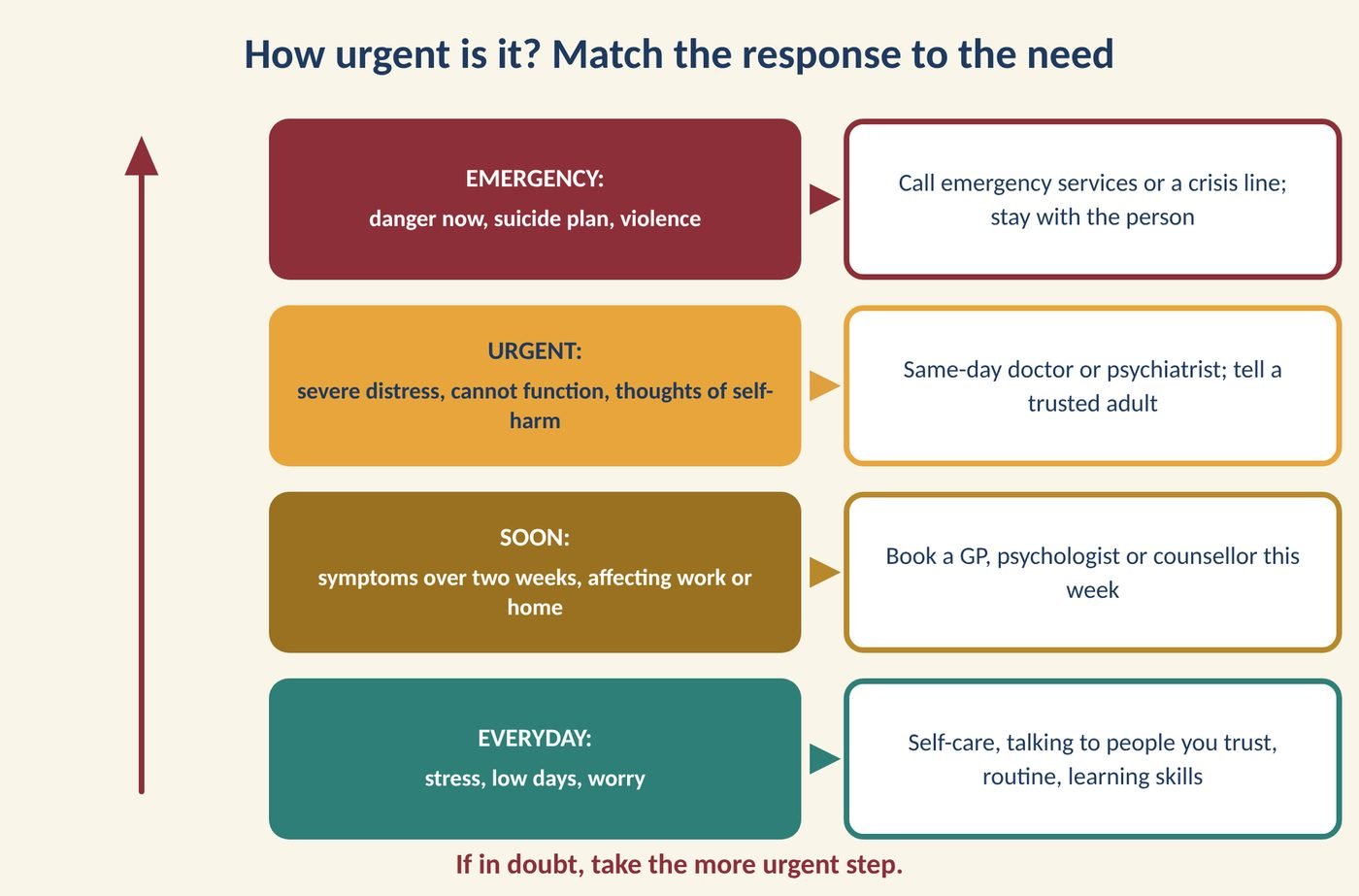
Figure 18.1 Match the response to the urgency.
Emergencies include:
- Imminent risk of suicide or self-harm.
- Risk of harm to others.
- Severe psychosis or mania with dangerous behaviour.
- Inability to care for basic needs (not eating, drinking, or sleeping for days; severe neglect).
- Severe substance intoxication or withdrawal.
In such situations, immediate action is more important than waiting for a perfect solution.
18.2 Recognising suicide risk
Warning signs may include:
- Talking about wanting to die, feeling like a burden, or having no reason to live.
- Looking for ways to kill oneself.
- Withdrawing from family and friends.
- Giving away possessions or saying goodbye.
- Extreme mood swings, agitation, or reckless behaviour.
- Increased alcohol or drug use.
- Recent severe loss, humiliation, or crisis (breakup, exam failure, financial ruin, legal trouble).
Not everyone who shows these signs will attempt suicide, but they should always be taken seriously.
18.3 What to do if someone may be suicidal
Do not leave them alone
Stay with the person or ensure another trusted adult stays with them. Remove or secure potentially dangerous items if possible.
Listen and validate
- Speak calmly and respectfully.
- Let them express feelings without interruption.
- Avoid arguing, minimising, or moralising ("Think of your family", "This is selfish").
- Validate pain: I can see how much you are suffering. I am here with you.
Ask directly about suicide
It is a myth that asking about suicide puts the idea in their head. Asking can reduce isolation and open a path to help.
You can ask: Are you thinking about killing yourself? Do you have a plan? Do you have access to the means? If they say yes, treat it as an emergency.
Seek immediate professional help
- Contact the person's psychiatrist, psychologist, or doctor if they have one.
- If not, go to the nearest hospital emergency department or contact emergency services.
- Know where the nearest hospital is.
- Do not promise secrecy when life is at risk. It is better to breach confidentiality to save a life.
Involve trusted family or friends
Inform close family or friends who can help ensure safety. Share relevant information (risk, plan, means) so they can support monitoring and care.
18.4 When there is risk of harm to others
Some mental states (severe mania, psychosis with threatening delusions, extreme anger with loss of control, substance-induced aggression) can increase risk of violence.
Warning signs: threats to kill or seriously harm someone; possession of weapons with intent; severe agitation, paranoia, or command hallucinations; history of violence combined with current instability.
Actions: prioritise safety of potential victims and the person themselves. Do not try to handle severe aggression alone. Contact emergency services or police if there is immediate danger. Inform mental-health professionals and family. This is not betrayal; it is protection.
18.5 Severe psychosis or mania
Urgent psychiatric care is needed when there is complete loss of insight; severe delusions or hallucinations leading to dangerous behaviour; not eating, drinking, or sleeping for days; extreme agitation or aggression; wandering, getting lost, or inability to care for self.
Do not argue about the content of delusions or hallucinations. Focus on safety and getting professional help. Contact the treating psychiatrist or go to the nearest hospital. Family may need to take initiative, ideally with medical guidance.
18.6 Substance-related emergencies
Urgent care for: overdose (unconsciousness, slow or stopped breathing, blue lips); severe withdrawal (seizures, delirium, severe agitation); combining substances (for example alcohol with benzodiazepines or opioids); aggressive or psychotic behaviour under the influence.
Call emergency services immediately. Do not give more substances or try home remedies. Keep the person on their side if unconscious (to prevent choking). Tell medical staff what was taken, if known.
18.7 Creating a safety plan
A safety plan is written in advance with the person, family, and professionals. It may include:
- Warning signs that a crisis may be developing (not sleeping, isolating, increased substance use).
- Internal coping strategies (breathing, walking, calling a friend, prayer).
- People to contact (family, friends, therapist, doctor).
- Professional resources (clinic address, phone numbers, emergency department).
- Steps to make the environment safer.
- Reasons for living (family, goals, faith, responsibilities).
Review and update the plan periodically.
18.8 After a crisis
- Ensure follow-up with mental-health professionals.
- Review what happened: triggers, warning signs, what helped, what did not.
- Adjust treatment if needed.
- Support the person and family emotionally; crises can be traumatic for everyone.
- Reinforce hope: many people recover and live meaningful lives after severe crises.
18.9 Local resources
Families should know: the nearest hospital with psychiatric services; contact details of local psychiatrists, psychologists, and counsellors; the local emergency number. Add a page with local resources specific to your area.
18.10 A simple story
18.11 One companion verse
Reflection activity
- Are you aware of local emergency numbers and mental-health resources? If not, how could you find them?
- If someone close showed warning signs of suicide or severe crisis, what would be your first step?
- What is one thing you could do this week to prepare (note the nearest hospital, discuss a safety plan, learn nearby hospitals)?
This book is for education and general awareness. It does not replace diagnosis or treatment by a qualified professional. If anyone is in danger, contact your local emergency services.