
A room is not a method
Therapy is collaborative work with goals. It is not chatting with a friend.
14.1 What are counselling and psychotherapy?
Counselling and psychotherapy are structured, talk-based treatments provided by trained professionals (counsellors, psychologists, psychiatrists, social workers) to help people understand and change thoughts, emotions, behaviour, and relationships.
While the terms are sometimes used interchangeably: counselling often focuses on specific life issues, stress, relationships, career, and coping skills, and may be shorter-term. Psychotherapy often addresses deeper or more chronic patterns, mental disorders, trauma, and personality-related difficulties, and may be longer-term.
Both aim to reduce suffering, improve functioning, and support personal growth.
14.2 How therapy works
Therapy is not just talking about problems. It is a collaborative process with goals, methods, and skills.
- Safe, confidential space: what is shared is private, with exceptions for immediate risk of harm to self or others, or legal requirements.
- Understanding the problem: symptoms, history, relationships, work, and life events.
- Setting goals: reduce anxiety, improve sleep, handle anger, cope with grief, make a career decision.
- Learning skills: coping, communication, emotion regulation, problem-solving, behavioural changes.
- Processing emotions and experiences: grief, trauma, guilt, shame, anger, in a supportive environment.
- Changing patterns: unhelpful thoughts, behaviours, and relationship dynamics that keep problems going.
- Review and closure: evaluating progress, planning maintenance, preventing relapse.
Therapy requires active participation. Change is often gradual, with ups and downs.
14.3 Common types
Cognitive Behavioural Therapy (CBT)
Focuses on the link between thoughts, emotions, and behaviours. Helps identify and change distorted or unhelpful thoughts (catastrophising, all-or-nothing thinking). Includes behavioural experiments, activity scheduling, exposure for anxiety, and skills practice. Strong evidence for depression, anxiety disorders, OCD, PTSD, and insomnia.
Interpersonal Therapy (IPT)
Focuses on relationships and life roles. Addresses grief, role disputes, role transitions (becoming a parent, changing jobs), and interpersonal deficits. Effective for depression linked to relationship issues.
Behavioural therapy
Focuses on changing specific behaviours. Includes exposure for phobias and OCD, behavioural activation for depression, and skills training.
Psychodynamic therapy
Explores how past experiences (especially childhood) and unconscious patterns influence current feelings, thoughts, and relationships. Often longer-term; useful for recurring relationship problems, personality patterns, and deep-seated emotional difficulties.
Humanistic / person-centred therapy
Emphasises empathy, acceptance, and the person's capacity for growth. The therapist provides a non-judgemental, supportive environment to help the person find their own solutions.
Dialectical Behaviour Therapy (DBT)
Developed for borderline personality disorder and chronic self-harm. Teaches mindfulness, distress tolerance, emotion regulation, and interpersonal effectiveness. Often includes individual therapy, group skills training, and phone coaching.
Family and couples therapy
Works with family members or partners together. Addresses communication, conflicts, roles, and boundaries. Useful in adolescent problems, eating disorders, substance use, and relationship distress.
Group therapy
A therapist works with a small group (6–12 people) sharing similar issues. Provides support, feedback, and learning from others. Can be more affordable and reduce isolation.
Trauma-focused therapies
- Trauma-focused CBT: process traumatic memories and change unhelpful beliefs.
- EMDR: bilateral stimulation (for example, eye movements) while recalling trauma to help reprocess memories.
- Narrative exposure therapy: often used for multiple traumas (refugees, war survivors); creates a coherent life story including traumatic events.
These should be provided by therapists trained in trauma work.
Mindfulness-based therapies
MBSR: mindfulness meditation and body awareness to reduce stress and pain. MBCT: CBT plus mindfulness; effective in preventing relapse in depression.
14.4 What to expect
First session
- Introduction and explanation of confidentiality and limits.
- Current problems, duration, and impact.
- Basic personal history: family, education, work, relationships, health, substance use.
- Screening for risk (self-harm, suicide, harm to others, abuse).
- Initial understanding or working diagnosis if applicable.
- Possible approaches, goals, frequency, duration, fees.
It is normal to feel nervous. You can ask: What is your training and experience? What approach do you use? How many sessions might I need? How will we know if therapy is helping?
Ongoing sessions
Review of the week; work on goals and skills; homework (thought records, exposure, communication practice). Therapy is not linear; there can be good and bad weeks.
Ending therapy
When goals are largely met and the person feels more stable and skilled: review progress; plan for maintaining gains; option to return for booster sessions.
14.5 How to choose a therapist
- Qualifications and registration: recognised degrees in psychology, counselling, social work, or psychiatry; licensing where applicable.
- Specialisation: age group and type of problem.
- Approach: structured and skills-based (CBT, DBT) or exploratory (psychodynamic, humanistic).
- Comfort and trust: you should feel respected, heard, and safe. If you do not feel comfortable after a few sessions, it is okay to seek another therapist.
- Practical factors: location, timing, fees, online versus in-person, language.
14.6 Myths
Myth 1: Therapy is only for "mad" people. Fact: it is for anyone facing emotional difficulties, life stress, relationship issues, or wanting growth.
Myth 2: Therapists just listen and do nothing. Fact: good therapists help you understand patterns, learn skills, and make changes. They may challenge unhelpful thoughts in a supportive way.
Myth 3: If I go to therapy I am weak. Fact: seeking help is self-awareness and strength.
Myth 4: Therapy will go on forever. Fact: many therapies are time-limited (for example 8–20 sessions). Some issues need longer work, but therapy should have clear goals and regular review.
14.7 Culture, faith, values, and online work
Effective therapy respects cultural background and language; religious or spiritual beliefs (or lack of them); family structure and values; gender identity and sexual orientation. For many people, integrating faith practices with therapy can be helpful. A good therapist will not dismiss these.
Teletherapy is increasingly common and effective for many issues, and useful in remote areas or with mobility limits. Apps for meditation, mood tracking, CBT exercises, and sleep can be add-ons. They should not replace professional care for serious conditions. Ensure privacy, secure platforms, and qualified therapists.
14.8 When therapy alone is not enough
For moderate to severe disorders (major depression, bipolar disorder, psychosis, severe OCD, eating disorders), therapy is often combined with medicines, lifestyle changes, family and social support, and sometimes hospital-based or intensive programmes. Therapy is a key part of treatment, but not always sufficient on its own.
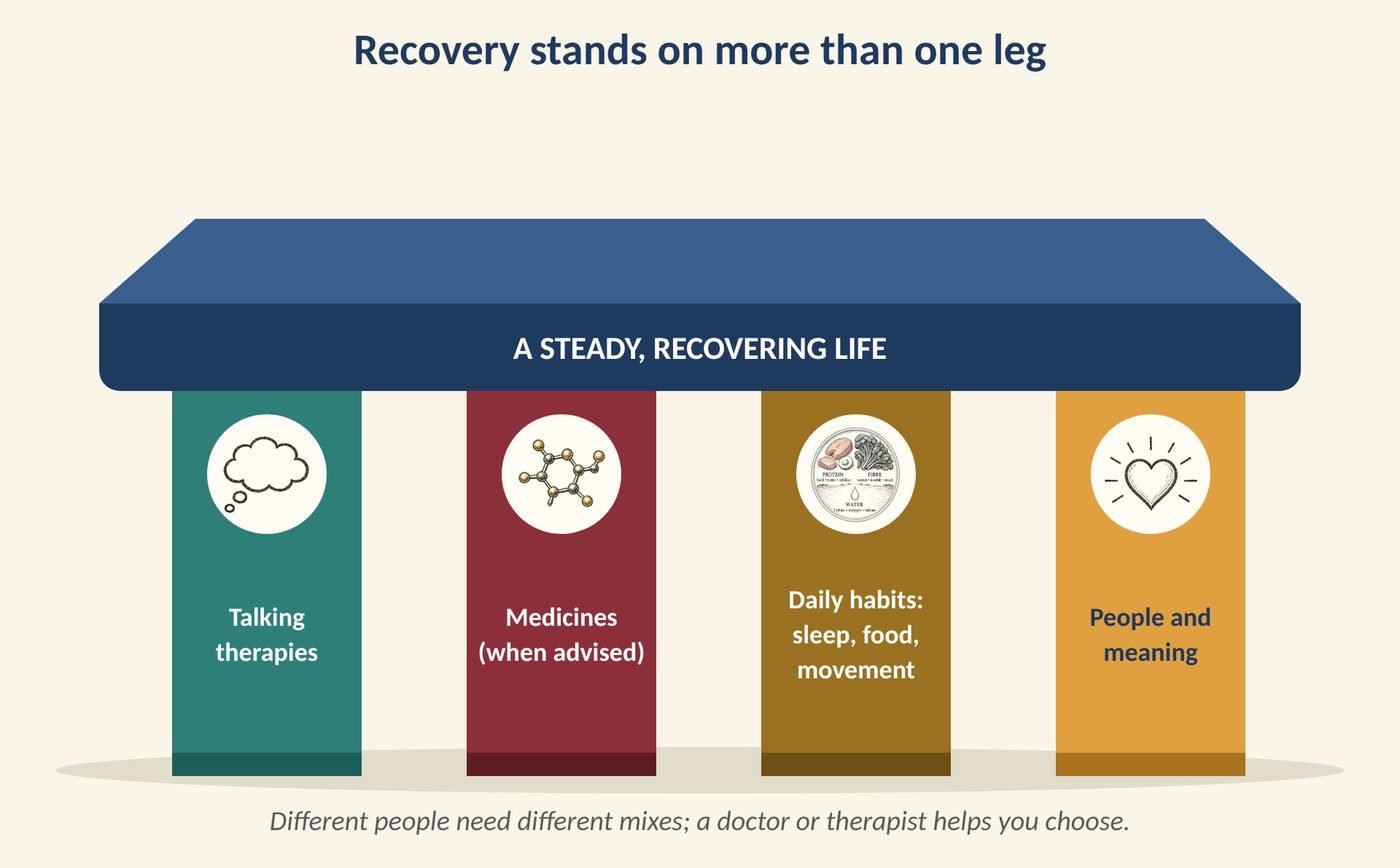
Figure 14.1 Recovery stands on more than one leg.
14.9 Which therapy is best for what?
|
Condition |
Therapies with strong evidence |
|---|---|
|
Depression |
CBT, behavioural activation, IPT, MBCT, psychodynamic therapy |
|
Generalised anxiety, panic, social anxiety |
CBT, ACT, applied relaxation |
|
Phobias |
Exposure-based CBT |
|
OCD |
ERP (a form of CBT) |
|
PTSD |
Trauma-focused CBT, prolonged exposure, cognitive processing therapy, EMDR |
|
Eating disorders |
CBT-E, family-based treatment, IPT |
|
Borderline personality disorder |
DBT, mentalisation-based therapy, schema therapy |
|
Psychosis |
CBT for psychosis, family intervention |
|
Substance use |
Motivational interviewing, CBT, contingency management, peer support |
|
Insomnia |
CBT for insomnia (CBT-I) |
|
Child behaviour problems |
Parent training programmes |
|
Grief and relationship problems |
Supportive counselling, IPT, couples therapy |
No single therapy suits everyone. A skilled therapist chooses or blends methods to fit you.
14.10 How long does it take?
It depends. Brief, focused therapies may last 6 to 20 sessions. Complex or long-standing difficulties can require months or years. A good therapist reviews progress regularly with you and is open about time and cost. Many people notice some improvement within the first month or two.
14.11 What therapists do and do not do
A good therapist:
- Listens carefully and without judgement
- Explains what they are doing and why
- Works with you on clear goals
- Respects your pace and your values
- Keeps appropriate boundaries and confidentiality
- Can say “this is not working” and suggest alternatives
A therapist should not:
- Tell you what to do with your life
- Have a personal, romantic, or business relationship with you
- Break confidentiality outside the limits explained
- Pressure you to recall specific memories or accept beliefs
- Make guarantees of a cure
14.12 Getting the most out of therapy
- Be honest, even about embarrassing things. A therapist has heard it before.
- Set goals together: “What would I like to be different in three months?”
- Do the homework. What you practice between sessions matters most.
- Give feedback. If something isn’t helping, say so.
- Be patient but review progress regularly.
- Look after the basics: sleep, food, movement.
- Attend consistently, even when you feel unwell or well.
- Remember that it is okay to switch therapists if the fit is poor.
14.13 Self-help and guided self-help
Books, workbooks, apps, and online courses based on CBT and other approaches can help people with mild to moderate problems, particularly when supported by a coach or health worker. They are a useful first step or companion to therapy.
14.14 A simple story
14.15 One companion verse
Reflection activity
- Have you or someone you know experienced counselling or therapy? What was helpful or difficult?
- If you have never had therapy, what thoughts or fears come up when you imagine it?
- What kind of therapist or approach might suit you (structured and skills-based, or exploratory)? Why?
This book is for education and general awareness. It does not replace diagnosis or treatment by a qualified professional. If anyone is in danger, contact your local emergency services.