
Three pillars under the mind
Lifestyle supports a clinic. It does not cancel one.

13.1 Why lifestyle matters
This chapter explains how sleep, food, and movement influence mental health and gives practical, realistic suggestions. They are supports beside therapy and medicine, not replacements for severe illness.
13.2 Sleep
Why sleep is essential
During sleep the brain: processes memories and emotions from the day; clears waste products and repairs cells; regulates hormones (stress hormones, hunger hormones, melatonin); resets emotional reactivity so we are less easily overwhelmed.
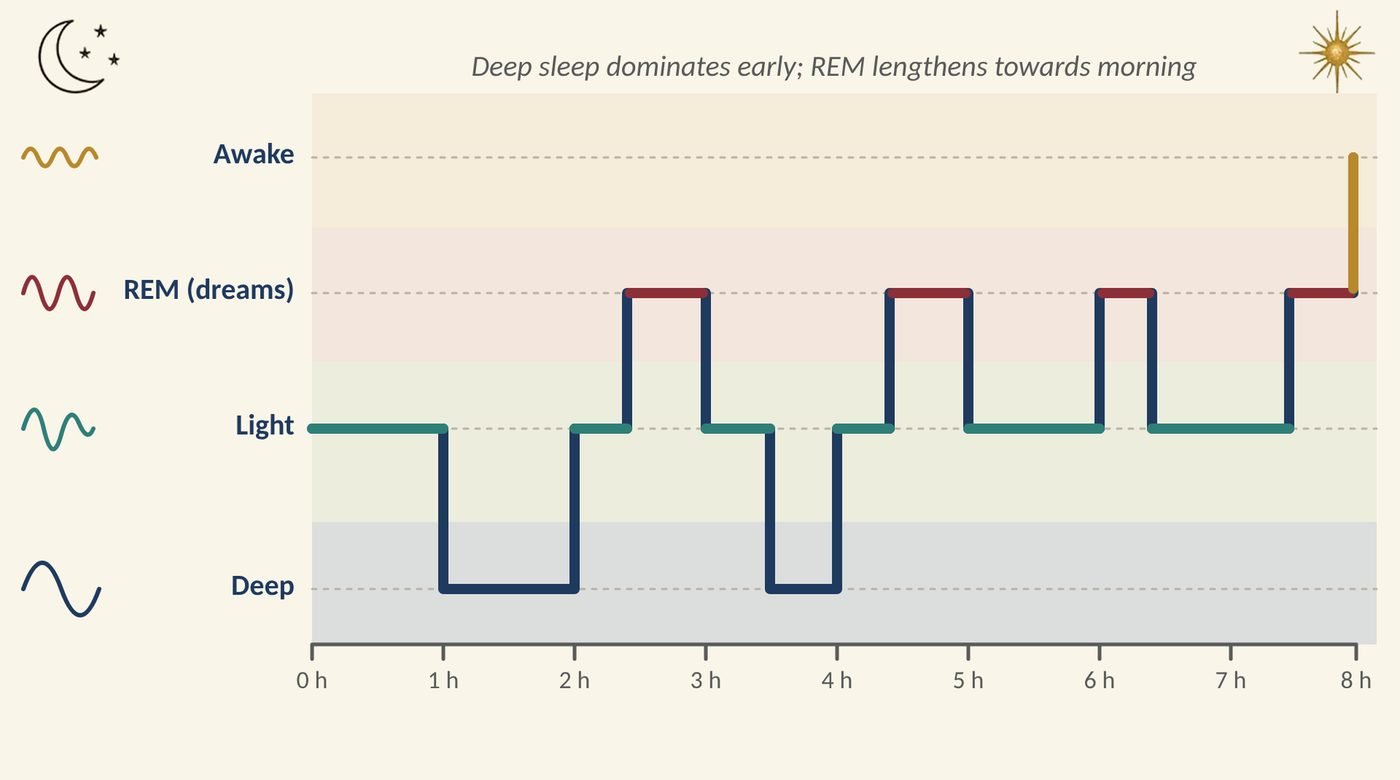
Figure 13.1 A night of sleep, in cycles of about ninety minutes.
How much sleep is needed
|
Group |
Guideline |
|---|---|
|
Children 6–12 years |
9–12 hours |
|
Adolescents 13–18 years |
8–10 hours |
|
Adults 18–60 years |
7 or more hours |
|
Older adults 60+ |
7–8 hours, often more fragmented |
Quality matters as much as quantity: deep, uninterrupted sleep is more restorative than long but broken sleep.
Signs of poor sleep
- Difficulty falling asleep (more than 30 minutes most nights).
- Waking frequently or too early and unable to return to sleep.
- Non-restorative sleep (waking tired).
- Daytime sleepiness, fatigue, irritability, poor concentration.
- Relying on caffeine or screens to stay awake.
Chronic poor sleep increases risk of depression, anxiety, substance use, accidents, and physical illnesses.
Sleep and specific mental disorders
- Depression: insomnia or excessive sleeping; early morning awakening with inability to return to sleep is classic in melancholic depression.
- Anxiety: racing thoughts, worry, and physical tension make it hard to fall asleep.
- Bipolar disorder: decreased need for sleep is a key sign of mania or hypomania; sleep disruption can trigger mood episodes.
- PTSD: nightmares and fear of sleep are common.
- ADHD: irregular sleep patterns and difficulty winding down are frequent.
Treating the underlying mental disorder and improving sleep hygiene together often works best.
Healthy sleep habits (sleep hygiene)
- Regular schedule: similar bed and wake times every day, even on weekends.
- Bedroom: dark, quiet, cool; comfortable mattress and pillow; reserve the bed mainly for sleep and intimacy, not work, TV, or phone.
- Evening: wind down 1 hour before bed (dim lights, reading, gentle stretching, prayer, soft music); avoid heavy meals, caffeine, nicotine, and alcohol close to bedtime; reduce screens at least 1 hour before bed.
- Daytime: morning sunlight; regular exercise, not intense just before bed; limit long naps (20–30 minutes maximum, early afternoon).
- Mind: write worries earlier in the evening; breathing, progressive muscle relaxation, or short meditation before sleep.
If insomnia persists despite good habits, or if sleep problems are severe, consult a doctor or mental-health professional. Cognitive Behavioural Therapy for Insomnia (CBT-I) is an effective non-drug treatment.
13.3 Food
How food affects the brain
- Glucose from carbohydrates: main energy source.
- Amino acids from proteins: building blocks for neurotransmitters (for example, tryptophan for serotonin).
- Fats, especially omega-3: brain cell membranes and inflammation control.
- Vitamins and minerals: B vitamins, vitamin D, iron, zinc, magnesium, iodine, selenium.
Poor nutrition can impair brain function, mood, and energy. The gut–brain axis means gut health and bacteria also influence mental health.
Blood sugar and mood
Low blood sugar can cause irritability, anxiety, shakiness, confusion, and mood swings. High blood sugar and diabetes are associated with fatigue, depression risk, and cognitive changes over time. Irregular meals and skipping breakfast can lead to energy crashes, overeating later, and mood instability.
Diet patterns
Healthy dietary patterns (vegetables, fruits, whole grains, legumes, nuts, seeds, fish, healthy oils) are associated with lower risk of depression and better mental health. No single food cures mental disorders, but overall diet quality matters.
Specific nutrients
- Omega-3 (fish, flaxseed, walnuts): modest benefits in depression.
- B vitamins, especially B12 and folate: deficiency can cause fatigue, low mood, cognitive problems.
- Vitamin D: low levels linked to depression and SAD.
- Iron: anaemia can cause fatigue, low mood, poor concentration.
- Zinc and magnesium: neurotransmitter function and stress response.
Supplements should be used only when deficiency is confirmed or advised by a doctor. Food sources are preferred.
Hydration
Even mild dehydration can cause fatigue, headache, irritability, and poor concentration. Drink adequate water. Limit sugary drinks and excessive caffeine.
Eating disorders
Eating disorders are serious mental-health conditions, not lifestyle choices. Anorexia nervosa: severe restriction, intense fear of weight gain, distorted body image; can be life-threatening. Bulimia nervosa: binge eating then vomiting, laxatives, or excessive exercise. Binge-eating disorder: large amounts with loss of control, without regular compensatory behaviours. These need specialised medical, nutritional, and psychological treatment.
Practical eating tips
- Regular meals with healthy snacks if needed.
- Include: whole grains (roti, rice, oats, millets); pulses and legumes; vegetables and fruits of varied colours; healthy fats (nuts, seeds, mustard/groundnut/olive oil, fish if non-vegetarian); dairy or alternatives.
- Limit: sugary foods and drinks; highly processed snacks; excess caffeine and energy drinks.
- Eat mindfully: slow down; avoid screens during meals when possible.
- Notice emotional eating and seek support if the pattern is strong.
Food changes work gradually; consistency over weeks and months matters more than perfection.
13.4 Movement
Regular physical activity: increases endorphins and other mood-lifting chemicals; supports serotonin and dopamine; reduces stress hormones over time; improves sleep; enhances self-esteem; provides social connection; reduces risk of depression and anxiety and helps in their treatment. Even moderate activity like brisk walking can have significant benefits.
How much
- Adults: at least 150 minutes of moderate-intensity aerobic activity per week (for example 30 minutes, 5 days) or 75 minutes vigorous, plus muscle-strengthening on 2 or more days.
- Children and adolescents: at least 60 minutes of moderate to vigorous activity daily.
- Older adults: similar to adults, plus balance and flexibility to prevent falls. Any movement is better than none. Start small.
Types
- Aerobic: walking, jogging, cycling, swimming, dancing — strong evidence for reducing depression and anxiety.
- Strength: bodyweight, weights, bands — mood, confidence, physical health.
- Flexibility and balance: yoga, stretching, tai chi.
- Sports and play: team or individual — enjoyment, connection, structure.
- Daily activity: stairs, walking nearby, chores, gardening.
Choose activities you enjoy; you are more likely to continue them.
Exercise and specific disorders
- Depression: in some studies as effective as medication or therapy for mild to moderate depression; a valuable add-on for severe depression.
- Anxiety: reduces overall anxiety and improves stress tolerance.
- ADHD: helps attention, impulse control, and mood.
- Substance use: can reduce cravings and improve mood in recovery.
- Psychotic and bipolar disorders: supports physical health, sleep and routine; modest mood and negative-symptom benefits. Adapt to condition and medical status. In severe illness start with 5–10 minute walks.
Over-exercise
Harmful patterns: compulsive exercise even when injured; using exercise to punish eating; extreme levels leading to injury, exhaustion, or isolation; exercise as the only coping strategy. If exercise becomes rigid, obsessive, or harmful, it may be part of an eating disorder or anxiety pattern and needs professional attention.
13.5 Integrating the three
Good sleep improves energy for exercise and reduces cravings. Regular exercise improves sleep and appetite regulation. Balanced food provides energy for activity and supports sleep chemistry. Small consistent changes in all three often beat a drastic change in one.
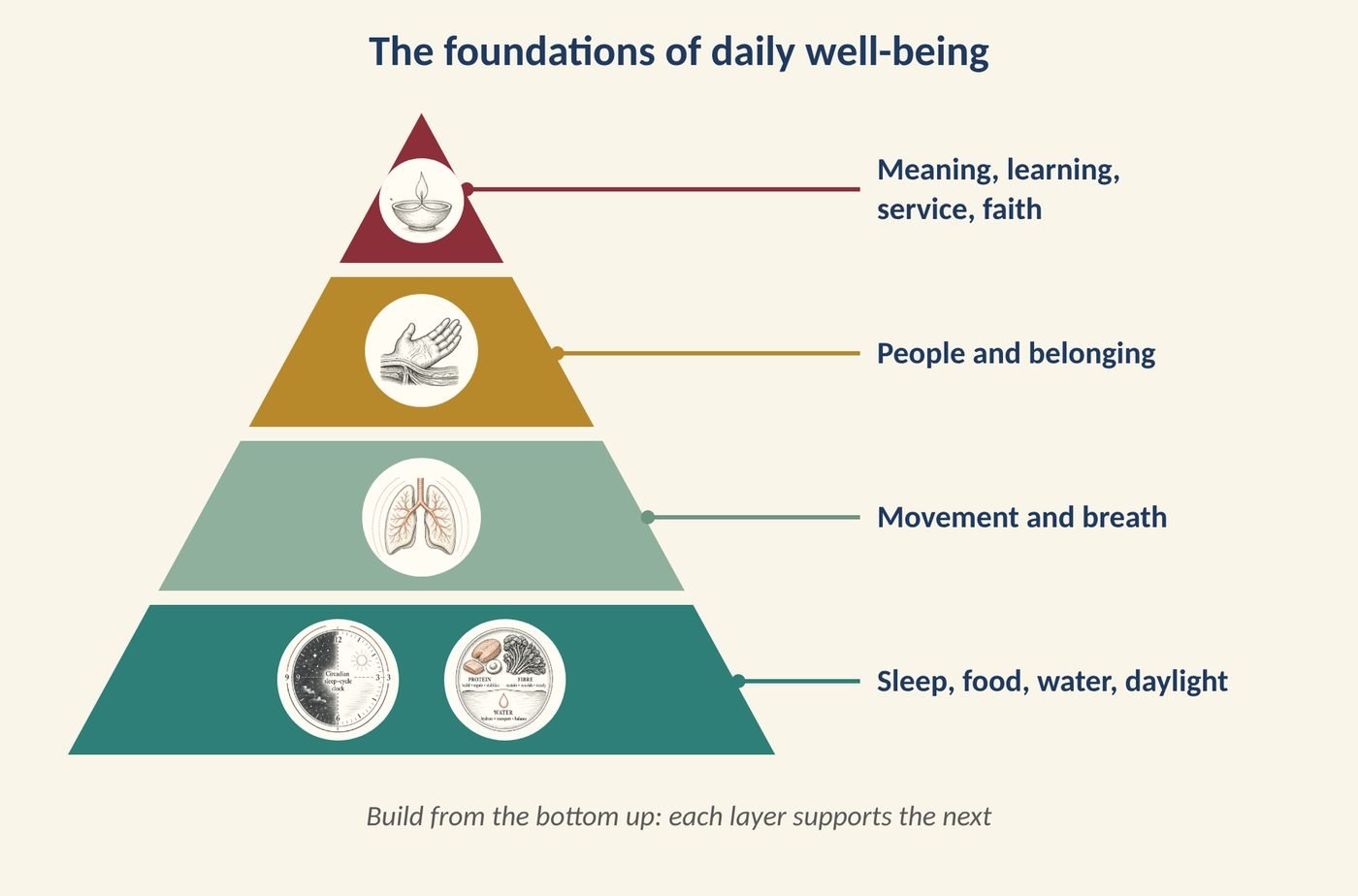
Figure 13.2 The foundations of daily well-being.
Example weekly plan: sleep 11 pm–6 am, no phone in bed, 10-minute breathing; regular meals, one extra vegetable serving, replace one sugary drink; 20–30 minute brisk walk five days, 10 minutes stretching on other days, stairs when possible. Adjust for age, health, work, and culture.
Level-wise approach
- Mild: occasional sleep issues, mild low mood or stress — lifestyle changes alone may be enough.
- Moderate: persistent sleep problems, depression or anxiety affecting daily life — combine lifestyle with counselling; consider medical evaluation.
- Severe: severe depression, bipolar disorder, psychosis, eating disorders — lifestyle is supportive but not sufficient; need professional treatment.
13.6 Light, nature and daily rhythm
Daylight
Morning light helps set the body clock, boosts alertness and mood, and improves night-time sleep. Try to spend 20 to 30 minutes outdoors each day, especially in the morning. In dark winters, a light therapy box (10,000 lux, used under medical guidance) can help with seasonal depression.
Nature
Time in green spaces lowers stress, blood pressure, and rumination. A walk in a park, a garden, or even looking at trees from a window can help. Research suggests that around two hours a week in nature is linked with better well-being, but any amount is useful.
Routine
Regular times for waking, meals, activity, and sleep help stabilise mood and energy, particularly in depression and bipolar disorder. Routine reduces the number of decisions your tired brain has to make.
Digital habits
- Turn off non-essential notifications.
- Set times for checking messages and social media.
- Avoid your phone for the first and last half hour of the day.
- Notice how different apps make you feel, and unfollow accounts that make you feel worse.
- Replace some scrolling time with real-life contact.
13.7 Food and emotional eating
Many of us eat to soothe feelings. Occasionally doing so is normal. If eating is your main way to cope, try pausing before you eat and asking: “Am I physically hungry? What am I feeling?” Offer yourself another comfort first, such as a walk, a call, or music. If this pattern is distressing or out of control, speak with a professional (see Chapter 22). Avoid harsh diets, which often backfire.
13.8 A simple story
13.9 One companion verse
Reflection activity
- Which area needs the most improvement — sleep, food, or movement? Why?
- Choose one small change in each area you can start this week.
- What obstacle might come in the way, and how could you overcome one of them?
This book is for education and general awareness. It does not replace diagnosis or treatment by a qualified professional. If anyone is in danger, contact your local emergency services.